Solar Panel Drawbacks: Intermittency and the True Cost of Going Off-Grid
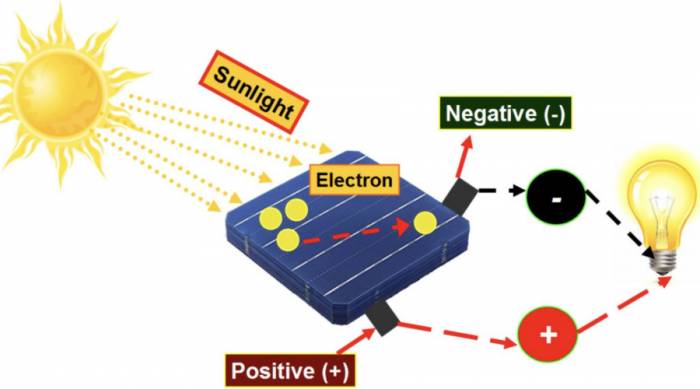
Ask most people about the biggest drawback of solar panels, and you'll hear about the upfront price tag or how much roof space they need. Those are valid concerns, sure. But after a decade working in renewable energy system design, I've seen the real showstopper time and again. It's not the sticker shock—it's the fundamental, unavoidable fact that solar panels only generate electricity when the sun is shining. This characteristic, called intermittency, is the core technological hurdle that complicates everything from your home's nightly power supply to the stability of the entire national grid. It's the reason a solar-powered home isn't truly independent and why solving it adds significant, often hidden, costs.
What You’ll Find in This Guide
The Core Issue: Why “The Sun Sets” is a Deal-Breaker
Intermittency seems obvious. Of course solar doesn't work at night. But the implications are profound and often underestimated by first-time buyers.
Solar production isn't just an on/off switch. It's a curve. Output ramps up in the morning, peaks around solar noon, and drops off in the evening—precisely when many households experience a secondary peak in electricity demand (cooking, lighting, entertainment). This creates a timing mismatch. You're overproducing when you don't need much power and underproducing when you need it most.
Then there's weather. A passing cloud can slash your system's output by 80% in seconds. A string of rainy or snowy days, common in many regions, can mean your panels produce little to nothing for a week. If your goal is energy independence or backup power, this variability is the primary enemy.
Real-World Impacts on Your Home and Wallet
This intermittency forces you into a choice, and each path has major financial and practical consequences.
Option 1: Stay Connected to the Grid (Net Metering)
This is the most common setup. Your home remains hooked up to the utility grid. During the day, excess solar power is sent to the grid, often earning you credits. At night or on cloudy days, you draw power from the grid, using up those credits.
The Hidden Drawback: You are not independent. You've simply become a small-scale power trader. Your reliability is now tied to the utility's grid reliability. If the grid goes down, most grid-tied systems automatically shut off for safety (to prevent back-feeding power that could injure line workers). So, even with a roof full of panels, you could be in the dark during a blackout.
Furthermore, net metering policies are changing. Utilities are pushing back, reducing the credit value of your exported power or adding monthly grid connection fees. The financial model you signed up for can be altered, impacting your payback period.
Option 2: Add Battery Storage
This is the answer to intermittency. Batteries (like the Tesla Powerwall or LG Chem RESU) store your daytime surplus for use at night or during outages.
The Obvious Drawback: Cost. A battery system can easily double the upfront cost of your solar installation. We're talking $10,000 to $20,000 or more, on top of the panels.
The Less-Obvious Drawbacks:
- Limited Capacity: A typical home battery holds 10-15 kWh. If you have a high-demand evening (AC, oven, EV charging), you can drain it in a few hours.
- Degradation: Batteries lose capacity over time, typically guaranteed to 70-80% of original after 10 years. Your "solution" slowly becomes less effective.
- Complexity & Space: You're adding another complex piece of hardware that needs installation, maintenance, and a place to live (often a garage wall).
To truly cover multiple cloudy days, you need an impractically large and expensive battery bank. Most homeowners size for daily cycling and accept that for prolonged bad weather, they'll still need the grid or a backup generator.
| Solution to Intermittency | How It Works | Primary Financial/Practical Drawback |
|---|---|---|
| Grid-Tied (Net Metering) | Uses the utility grid as a "virtual battery." Sells excess, buys deficit. | No backup power during outages. Subject to changing utility policies and rates. |
| Battery Storage | Stores excess solar energy in on-site batteries for later use. | High upfront cost ($$$$). Limited storage capacity degrades over time. |
| Hybrid System | Grid-tied + a smaller battery for critical loads during outages. | High cost for partial backup. Still reliant on grid for long-duration deficits. |
| Off-Grid System | Full independence with massive solar array and battery bank, plus a backup generator. | Extremely high cost, major space requirements, and constant energy budgeting. |
Solutions: Batteries, Grid-Ties, and Their Trade-Offs
Let's get more concrete about batteries, since that's the technological fix for intermittency at the home level. The market is evolving fast, but the economics are still tough.
I recently advised a client in Colorado who wanted full backup for his 3,000 sq. ft. home. His December energy use, with electric heating, was around 50 kWh per day. His solar panels might produce 15-20 kWh on a good winter day. The deficit is 30+ kWh daily.
To cover just one sunless day, he'd need a battery bank storing over 30 kWh. That's at least two of the largest residential batteries on the market, costing over $25,000 installed. To cover a potential three-day storm? Forget it—the system size and cost become ludicrous for a residence. The practical solution was a smaller battery for overnight essentials and a propane generator for multi-day outages. The dream of 100% clean, off-grid independence was shattered by the reality of winter intermittency and cost.
This is the nuanced truth: batteries are fantastic for shifting a few hours of usage and providing short-term backup, but they are not a magic bullet for seasonal or long-duration intermittency. For that, you need a diversified mix—solar, wind, hydro if you're lucky, or a fossil-fuel backup.
Beyond the Home: The Big Grid Problem
The intermittency challenge scales massively for the electrical grid. As reports from the U.S. Energy Information Administration (EIA) highlight, integrating high levels of solar and wind requires fundamentally rethinking grid management.
The famous "Duck Curve" in California illustrates this. As solar floods the grid during midday, demand for traditional power plants plummets. Then, as the sun sets and solar output crashes, demand surges. Grid operators must ramp up natural gas plants incredibly quickly to meet the evening peak. This strain can lead to grid instability and higher costs.
Solving grid-scale intermittency requires massive investments in:
- Long-Duration Storage: Technologies beyond lithium-ion, like flow batteries or pumped hydro, that can store energy for days or weeks.
- Transmission Lines: To move solar power from sunny deserts to cloudy population centers.
- Demand Response: Incentivizing users to shift consumption to sunny periods.
- Diverse Generation: Keeping dispatchable power sources (like geothermal, hydro, or with carbon capture) in the mix.
This is the ultimate drawback: solar's variable nature makes it a challenging primary power source for a society that expects 24/7/365 reliability. It's a team player, not a solo star.
Your Top Questions on Solar Drawbacks, Answered
So, what's the biggest drawback of solar panels? It's the gap between when they make power and when we need it. Intermittency is the root cause that creates a cascade of secondary issues: the need for backup, the high cost of storage, and the complexity of grid integration. Understanding this isn't a reason to avoid solar—it's the key to designing a system that truly meets your expectations, whether that's maximum savings, resilience, or environmental benefit. Go in with your eyes open to this fundamental limitation, and you'll make a much smarter investment.


Comments
Share your experience