How to Make Fresh Pasta: A No-Fuss Guide for Beginners
Quick Jump — What You'll Need to Know
The first time I tried to make fresh pasta, I ended up with a dough that felt like a stress ball and a kitchen counter dusted with so much flour it looked like a crime scene. Ten years later, I can knock out a batch on a Tuesday night without breaking a sweat. Here's the honest truth about how to make fresh pasta—no fancy equipment, no obscure semolina blends, and no pretending it's effortless the first time.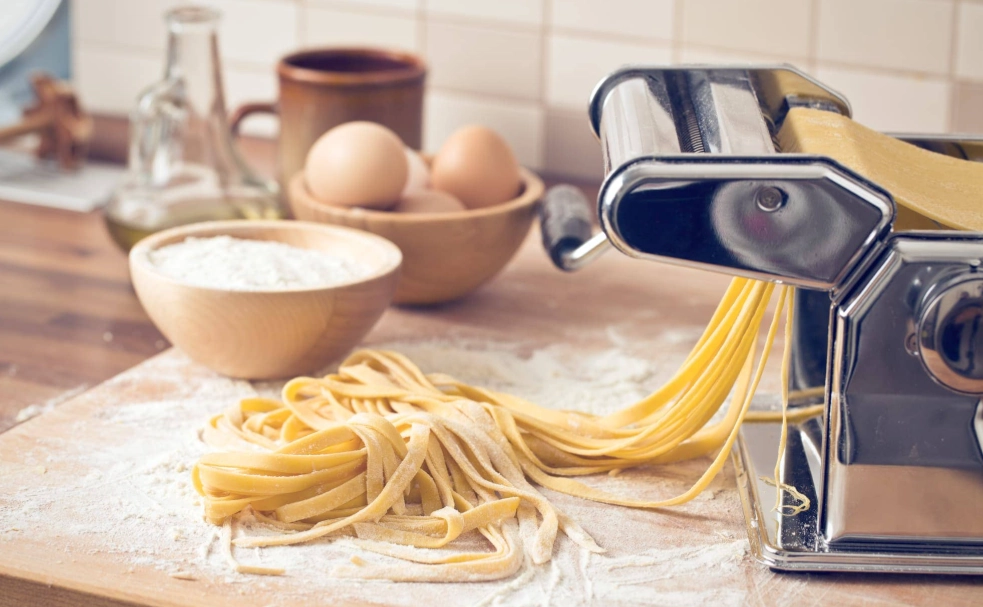
What Is Fresh Pasta, Really?
Fresh pasta is simply flour, eggs, and a bit of salt mixed into a dough, rested, and rolled thin. It's soft, absorbs sauce like a sponge, and cooks in about three minutes. Dried pasta is a different animal—denser, chewier, and made without eggs (usually just semolina and water). I'm not here to declare one superior. I keep both in my pantry. But fresh pasta is what you make when you want something that feels a little more personal.
One thing I've learned from Italian nonnas and line cooks alike: fresh pasta is forgiving. Screw up the ratio? Add a little flour or water. Let it rest too long? It's still usable. You don't need a pasta machine, a food processor, or a masterclass subscription. You need your hands.
My Go-To Ingredient Checklist
Here's what I actually use. I've tried fancy flours and cheap flours, and the differences are real but not dramatic.
| Ingredient | What I Use | Why It Matters |
|---|---|---|
| All-purpose flour | 200g (about 1 ⅔ cups) | Easy to find, consistent results. Bread flour makes a chewier bite—nice for pappardelle. |
| Eggs | 2 large eggs + 1 yolk | The extra yolk adds richness and a golden hue. Skip it if you want a leaner dough. |
| Olive oil | 1 tsp | Optional. Helps with elasticity, especially if your dough feels stiff. |
| Fine sea salt | 1/2 tsp | Don't skip it. Pasta water is salted, but the dough itself needs a little seasoning. |
| Semolina flour (for dusting) | A handful | Keeps noodles from sticking. All-purpose works too, but semolina has a coarser texture. |
Step-by-Step: How to Make Fresh Pasta Dough
This is the part where most recipes overcomplicate things. I'll walk you through exactly what I do, including the moments where things usually go sideways.
1. Mound the flour and make a well
Dump 200g of flour on a clean counter. Use your fingers to create a crater in the center—like a little volcano. Crack two whole eggs and one yolk into the crater. Add the salt and olive oil. The well walls should be thick enough to hold the eggs in. If it collapses, just rebuild it. No tragedy.
2. Whisk the eggs inside the well
Use a fork to gently beat the eggs, gradually pulling flour from the inner walls into the liquid. Keep the outer ring intact as long as possible. This slow incorporation prevents a flood of egg running across your counter. I've seen that flood. It's not pretty.
3. Bring it together with your hands
Once the egg mixture is thick and pasty, ditch the fork. Use your fingertips to fold everything into a shaggy ball. It will look messy. That's fine. Press it into a rough disk, wrap it in plastic, and let it rest for 30 minutes at room temperature.
4. Knead until it feels right
After resting, knead the dough on a lightly floured surface for about 5 minutes. You're looking for a smooth, slightly tacky surface. Press your thumb into it—the indentation should spring back slowly. If it sticks to your hand like gum, add a tablespoon of flour. If it crumbles, wet your hands and knead again.
That spring-back test is something I picked up from a pasta maker in Bologna. She called it “the cheek test” because the dough should feel as soft as your cheek, not your forehead. Weird? Maybe. Accurate? Absolutely.
Rolling and Shaping Without a Machine
No pasta machine? No problem. A rolling pin and a little patience will get you there. Here's my method:
- Divide and conquer: Cut the dough into four pieces. Keep the rest covered while you work on one piece.
- Flatten first: Press the piece into a flat disk with your palm before rolling. This prevents uneven thickness.
- Roll from the center out: Work in short strokes, rotating the dough a quarter turn after each pass. Dust with semolina if it starts to stick.
- Aim for thin but not translucent: You should be able to see your hand through the dough, but it shouldn't tear when you lift it. About 2mm thick is my target.
- Cut and shape: Fold the sheet loosely into thirds, then slice into strips (tagliatelle, fettuccine) or squares (ravioli). Toss with semolina to prevent clumping.
One thing nobody tells you: the first sheet you roll will probably be too thick or too thin. It's a warm-up. The second one will be better. By the fourth, you'll feel like you know what you're doing. That's normal.
Cooking and Storing Fresh Pasta
Fresh pasta cooks fast—usually 2 to 4 minutes in salted boiling water. Taste it at the 2-minute mark. If it's still chalky in the center, give it another 30 seconds. Overcooked fresh pasta turns mushy and sad. I'd rather undercook it slightly and let the residual heat finish the job.
To store: Nest the noodles on a semolina-dusted tray, cover loosely, and refrigerate for up to 2 days. For longer storage, freeze the nests on a tray, then transfer to a zip-top bag. They'll keep for 2 months. Cook from frozen—no thawing needed. Just add a minute to the cooking time.
Common Mistakes (I Made All of Them)
These are the screw-ups I see most often, including in my own kitchen for the first two years.
- Adding too much flour during kneading: The dough gets stiff and dry. The fix is water, not more flour. Wet your hands and knead it in.
- Rolling the dough too thick: Thick fresh pasta tastes like raw flour. Aim for 2mm.
- Not resting the dough: It fights back and shrinks. Thirty minutes makes a world of difference.
- Skipping the salt in the dough: Pasta water doesn't fully penetrate the dough. Salt it from the inside.
- Using cold eggs straight from the fridge: Room temperature eggs incorporate more smoothly. I put mine in a bowl of warm water for 5 minutes.
Questions I Get Asked the Most
My pasta dough is sticky and unrollable. Did I ruin it?
Nothing's ruined. Sticky dough usually means too much egg or too little flour. Dust your surface generously with semolina or all-purpose flour. Roll gently. If it's still sticking, fold the dough back into a ball, dust with a tablespoon of flour, knead for 30 seconds, and try again after a 10-minute rest.
Can I make fresh pasta without eggs?
Yes, but the texture changes. Eggless pasta (flour plus water, sometimes a drizzle of olive oil) is denser and chewier. It's great for orecchiette or cavatelli. The ratio is about 200g flour to 100ml water. I'd add a pinch of salt and a teaspoon of oil for a little suppleness. It won't be as rich as the egg version, but it's workable and satisfying.
How do I know if my fresh pasta is too dry?
Press it with your thumb. It should feel slightly cool and springy, not crumbly. When you roll it, the edges should stay smooth rather than cracking. Dry dough cracks—like a desert floor. Add moisture a teaspoon at a time (water or beaten egg), knead briefly, and let it rest again.
Can I freeze fresh pasta dough instead of the rolled noodles?
You can, but I don't recommend it. The dough gets a little gummy after thawing. Freezing the shaped noodles is faster and produces a better final texture. If you must freeze the dough, let it thaw in the fridge overnight, then roll and shape as usual.
What's the best sauce for fresh pasta?
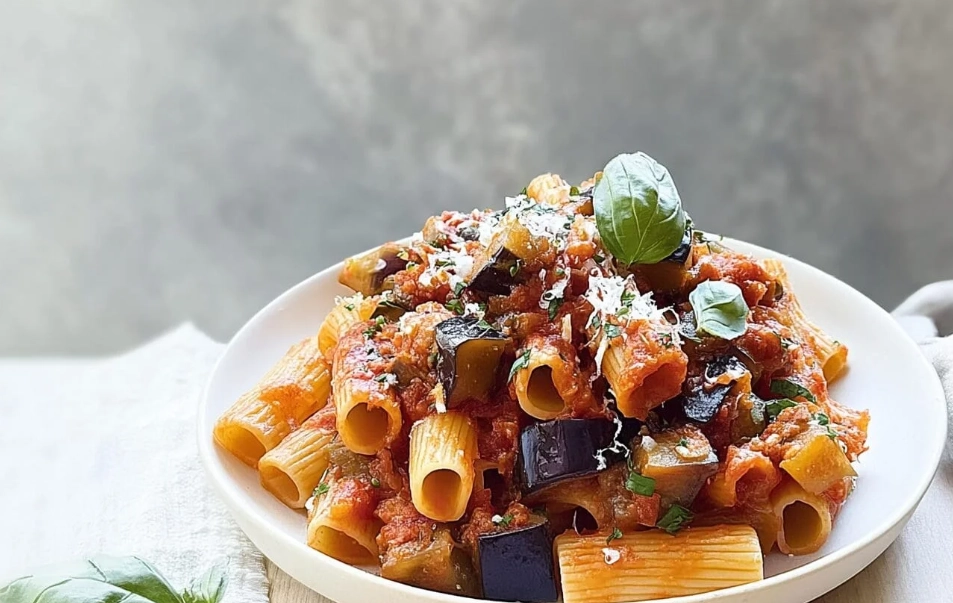
Fresh pasta shines with simple sauces that cling—think butter and sage, a light tomato sauce simmered with garlic, or a quick carbonara. Heavy sauces with chunky meat can overpower the delicate noodles. My personal favorite: brown butter, parmesan, and cracked black pepper. That's it.
This article was fact-checked against the pasta-making guidelines from the Italian Academy of Cuisine and a 2023 report on egg pasta safety from the European Food Information Council.
Comments
Share your experience