Italian Antipasto Ideas: 7 Boards That Actually Work
What's on my board today
I built my first antipasto board for a friend's birthday and it was a mess. Too many jars, everything cold, nothing tied together. Ten years of cooking and a lot of trial later, I've landed on a handful of Italian antipasto ideas that actually work — the kind you can put together after work without hunting down rare ingredients. Each board below is tested. I've noted the exact items, rough prices from my local Italian deli in Boston's North End, and what I'd skip.
The core idea is simple: antipasto means "before the meal." It's not dinner. It's a nibble that wakes up your appetite without filling you up. Most people overbuild it. These seven plans keep it tight — 4 to 6 items per board, salty and creamy and acidic in balance.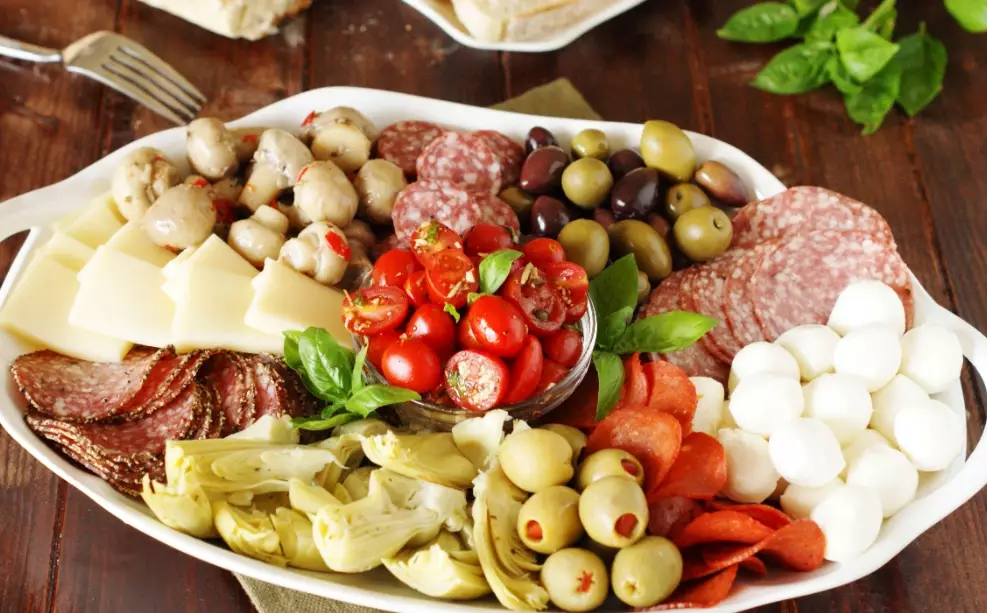
Why Most Antipasto Boards Fail (And the Fix)
Here's the non-consensus thing I've learned: the problem is almost never the ingredients. It's the temperature. Cold prosciutto tastes like salty paper. Cold mozzarella is rubbery. The fix is embarrassingly simple — pull your cheese and cured meat out of the fridge 20 minutes before serving. That's it.
Second issue: too many wet things. Olives, roasted peppers, marinated mushrooms, pickled onions — they bleed into each other and turn the board into a puddle. I use one marinated item max per board. Maybe two if one is oil-based and one is vinegar-based.
What if I don't have a proper wooden board?
Use a large plate or a rimmed baking sheet lined with parchment. Nobody at the table cares. I've served antipasto on a cutting board, a sheet pan, and once on a clean dish towel (don't do that — oil stains).
Seven Italian Antipasto Ideas You Can Build Tonight
These are ranked by how often I make them. The first three are my go-tos. The last four are for when I want to impress without cooking much.
| Board | What's On It | Best For | Time to Assemble |
|---|---|---|---|
| 1. The Weeknight Basic | Prosciutto di Parma (8–10 thin slices, ~$4 at Whole Foods), fresh mozzarella (one 8-oz ball, pat dry), cherry tomatoes (a handful, halved), Castelvetrano olives, olive oil drizzle | Two people, wine, Netflix | 4 minutes |
| 2. The Spicy Board | Calabrese salami (sliced thin, ~$5 at an Italian deli), pepperoncini (6–8 from a jar), smoked provolone (4 oz, cubed), honey for drizzling, crusty bread | Beer night, football | 5 minutes |
| 3. The Vegetarian One | Grilled zucchini (sliced lengthwise, oil-salted, grilled 3 min per side), ricotta salata (crumbled, 3 oz), marinated artichoke hearts (jarred, drained), lemon zest, good olive oil | Summer lunch, non-meat eaters | 7 minutes (grill time) |
| 4. The Cheese-Heavy Board | Parmigiano-Reggiano (chunk, 4 oz), gorgonzola dolce (2 oz), pear slices, walnuts, honey, balsamic drizzle | Wine tasting at home | 4 minutes |
| 5. The Seafood Board | Marinated anchovies (from a jar, drained, 8–10 fillets), roasted red peppers (jarred, sliced), capers, lemon wedges, grilled bread rubbed with garlic | Fancy-feeling but zero cooking | 3 minutes |
| 6. The Sweet-Savory Board | Prosciutto (6 slices), fresh figs (4, quartered — skip if out of season), gorgonzola, honey, pistachios, a few dark chocolate squares | Late summer, dinner party starter | 6 minutes |
| 7. The Kid-Friendly Board | Mild salami (no pepper), string cheese, cherry tomatoes, cucumber slices, plain crackers, a small bowl of olives on the side (kids usually ignore them) | Family movie night | 5 minutes |
The seafood board (#5) is the one that surprises people. Marinated anchovies from a good jar (I use the Ortiz brand, about $8) are not the salty little fish from a cheap pizza. They're meaty and mild. Drain them well and pat dry. The roasted red peppers need to be drained too — wet peppers turn bread soggy.
How Do You Pair Cured Meats and Cheese Without Overthinking It?
Match intensity. Mild meat goes with mild cheese. Prosciutto (delicate, sweet) pairs with fresh mozzarella or ricotta. Salami (fatty, spiced) overpowers fresh cheese — pair it with aged provolone or pecorino. That's the whole trick. I've watched people put prosciutto next to gorgonzola and wonder why both taste off. They're fighting each other.
Another thing: don't slice cured meat hours ahead. It dries out and the fat turns translucent. Slice it right before serving or buy it pre-sliced and use within a day. At a deli, ask for "thin slice" — most places will do it without a fuss. If you're buying at a supermarket, grab the packages with the latest sell-by date and stick them in the fridge door, not the back.
What cheese should I buy at a regular grocery store?
Skip the pre-cubed "antipasto mix" tubs. They're overpriced and usually taste like nothing. Instead: a block of aged provolone (cub it yourself, 2 minutes), a log of fresh goat cheese (spread a bit on bread), and a wedge of Parmigiano (break off rough chunks with a knife — rustic looks better than perfect cubes).
What Should You Drink With Antipasto?
Sparkling water with a lemon slice is fine. For wine, go dry and light. A Prosecco or a dry Lambrusco handles salty meat and oily cheese without weighing you down. Red wine lovers: a light Sangiovese works. I avoid oaky Chardonnay with antipasto — it makes the olives taste metallic.
If it's beer, a pilsner or a simple lager. Hoppy IPAs bury the delicate prosciutto flavor. Save those for after dinner.
The Mistake I See Almost Every Time
People build the board and then walk away. Antipasto is a social thing — you bring it to the table, you talk about it, you rearrange it as people eat. If you leave it on a side counter, it goes untouched. Put it in the middle of the table. Hand someone a piece of cheese. That's not a tip you'll find in a recipe book, but it's the one that matters most.
Also: don't drown everything in olive oil. I drizzle a little on the cheese and tomatoes, but leave the meat alone. Soggy salami is a sad thing.
Quick Answers to Real Questions
These boards have been the backbone of my entertaining for years. None of them require a recipe. Buy good ingredients, let them breathe at room temperature, and put the board where people can reach it. That's the whole game.
Comments
Share your experience