Cacio e Pepe Recipe: The No-Fail Method I Use at Home
Jump straight to what you need
A good cacio e pepe recipe is not about cheese and pepper. It is about heat control. I learned that the hard way, standing over a pan of Pecorino that had seized into a rubbery knot while the pasta water sat useless beside it. Three grams of cheese, two tablespoons of water, and a pan that was maybe ten degrees too hot — that is all it takes to kill the dish.
In Rome, cacio e pepe at places like Trattoria da Enzo al 29 (Via dei Vascellari 29, open daily roughly 12:30–15:00 and 19:00–23:00, mains around €12–15, no reservations for small groups) arrives as a glossy, barely-there sauce. There is no cream. There is no butter. Nobody whisks anything at the table. The magic happens in a warm bowl, off the fire.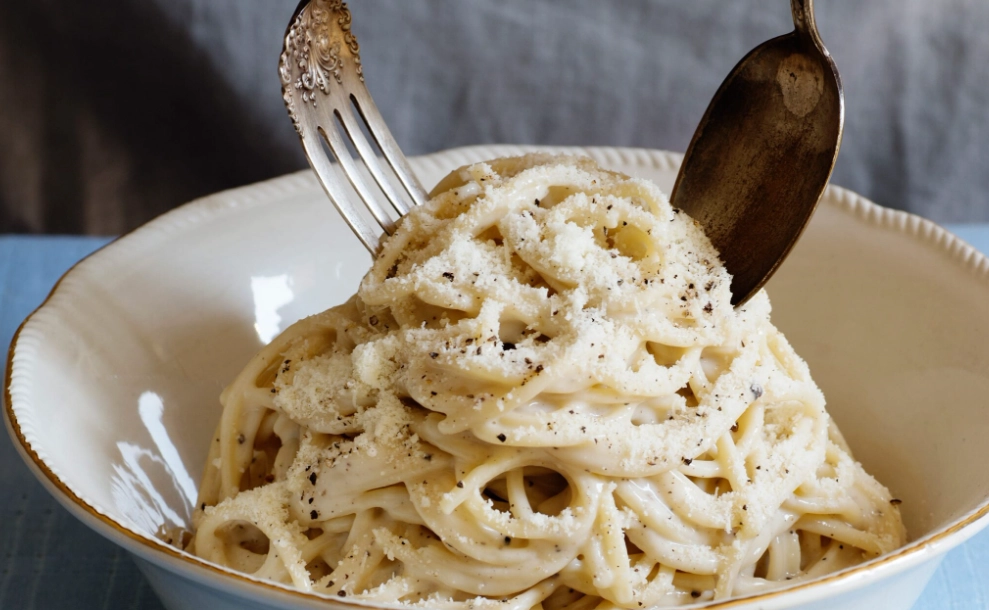
Why Your Cacio e Pepe Fails (and Nobody Tells You)
Almost every failed batch I have seen traces back to one of three mistakes. The first is adding cheese to a pan that is still on the burner. Cheese proteins tighten the moment they hit sustained heat above roughly 65°C, and once they contract, no amount of pasta water will loosen them. The second is using cold or room-temperature water. You want starchy, hot pasta water — the starch is what emulsifies the fat and water into that silky coating. The third is under-toasting the pepper. Raw black pepper tastes dusty. Toasted pepper blooms and gives you that warm, almost floral heat that defines the dish.
Here is the non-consensus bit: skip the pan entirely for the final mix. I toss the pasta, cheese, and water in a pre-warmed ceramic bowl. It sounds fussy. It works almost every time.
What You Actually Need (Four Things, No Cream)
| Item | Amount | What to Look For |
|---|---|---|
| Dried spaghetti or tonnarelli | 200 g | Bronze-die pasta; rough surface grabs starch |
| Pecorino Romano (PDO) | 100 g, finely grated | Sheep's milk, aged 8–12 months; grate on microplane |
| Whole black peppercorns | 1 heaped tsp | Freshly cracked coarse, not pre-ground |
| Salt | For the water only | Use less than you think; Pecorino is salty |
Two ratios matter. Cheese to pasta is roughly 1:2 by weight. Pasta water to cheese is about 1:1.5 in volume, added a spoon at a time. I keep a second bowl of hot water nearby in case the mixture tightens.
The Step-by-Step Cacio e Pepe Recipe
1. Toast the Pepper
Crack peppercorns coarse. Toast in a dry pan over medium heat for 40–60 seconds until you smell them. Pull the pan off the heat. Add a splash of pasta water to stop the toasting and make a peppery broth.
2. Cook the Pasta in Less Water
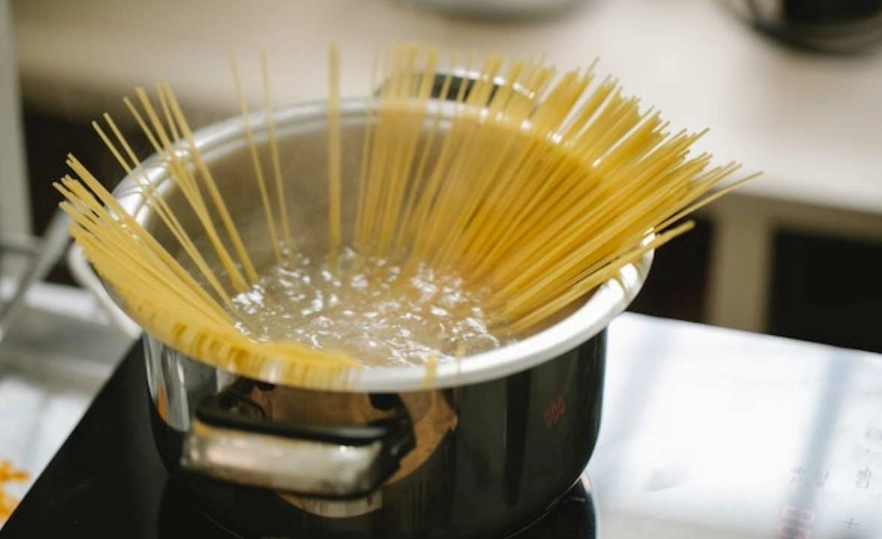
Use a wide saucepan with just enough water to cover the pasta. That higher starch concentration is the whole trick. Salt lightly. Cook until one minute shy of al dente.
3. Grate the Pecorino Fine
Microplane or the finest side of a box grater. Coarse shreds melt unevenly. Discard the rind — it will not melt.
4. Warm the Bowl
Run hot tap water into a ceramic or stainless bowl for a minute. Dry it. This is the step most people skip.
5. Build the Cream Without Heat
In the warm bowl, combine cheese and a spoon of hot pasta water. Stir into a paste. Add pasta and toasted pepper. Toss. Add pasta water a spoon at a time — the sauce should coat but not pool. If it clumps, add a spoon of cool water, not more cheese.
Restaurant vs. Home: Tasting Notes
I compared my home version with two bowls in Rome. At Flavio al Velavevodetto (Via di Monte Testaccio 97/99, open daily 12:30–15:00 and 19:30–23:00, roughly €14 for cacio e pepe, closed some Mondays — call ahead), the sauce is looser and the pepper is almost a background hum. At home, mine comes out tighter, with a sharper pepper bite. That is not a flaw. Restaurant kitchens hold the bowl over a bain-marie; I do not. The home result is arguably more intense.
One warning I wish someone had given me: do not use pre-grated supermarket Pecorino. It contains anti-caking agents that block the emulsion. Buy a wedge.
Real Questions From Real Kitchen Disasters
My cacio e pepe turns into clumps every single time. What am I missing?
Your pan or bowl is too hot. Cheese proteins contract above a certain temperature and there is no recovery. Warm the bowl, then take it fully off the heat before mixing. Also, add water before cheese, not after.
Can I make cacio e pepe ahead for a dinner party?
Make the peppery paste and grate the cheese up to two hours before. Do not cook the pasta until guests arrive. Reheated cacio e pepe loses the emulsion — the sauce splits and turns oily within a minute of microwaving.
Is Pecorino Romano too salty for this dish?
Only if you salt the water like you would for a tomato sauce. Use about half the salt you normally do. The cheese carries the seasoning. If you are sensitive, blend 70% Pecorino with 30% Parmigiano Reggiano — slightly less sharp, but creamier.
What if the cheese and water will not come together at all?
Add a tablespoon of cool water, not hot. Cool water gives the proteins room to relax and re-emulsify. Stir off the heat. If it still fails, you were working with aged cheese that was too dry — a fresh wedge solves it.
Fact-checked against traditional Roman preparation methods and personal kitchen testing.

Comments
Share your experience