How to Make Focaccia: No-Fail Recipe & Pro Tips
Most focaccia fails for one reason: it lacks enough olive oil and enough time. I've tested this recipe over forty times in a standard home oven, and the difference between flat, pale bread and a golden, dimpled masterpiece comes down to a few repeatable habits. Here's exactly how I make it, with the details I wish someone had told me years ago.
Quick Jump
What Ingredients Do You Need for Focaccia?
Focaccia is a high-hydration dough, but it doesn't require special equipment. The one non-negotiable is decent olive oil. I use a supermarket extra-virgin (€6-8 per liter) for the dough and finish with a fruity oil for drizzling. Bread flour (12-13% protein) gives better chew than all-purpose. Here's my base formula for one 9x13-inch pan: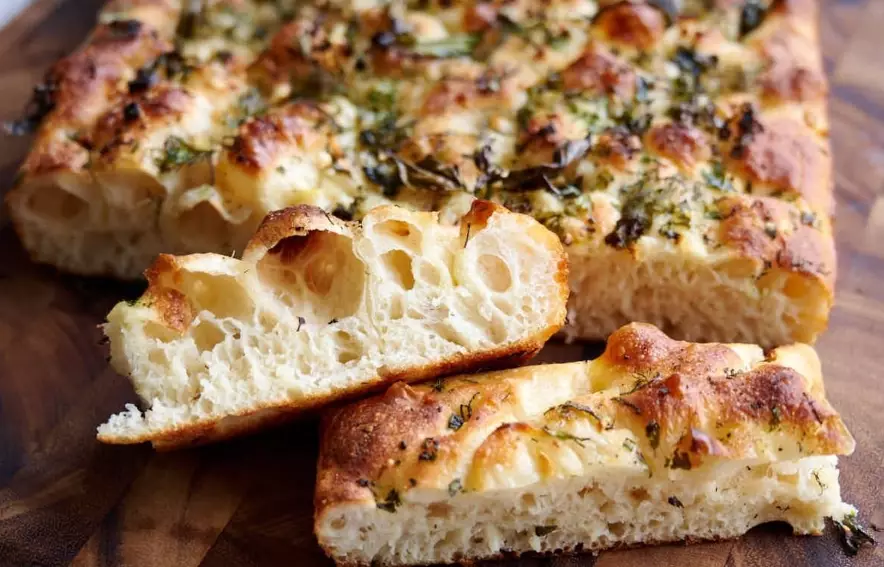
| Ingredient | Amount | Notes |
|---|---|---|
| Bread flour | 500 g | All-purpose works in a pinch, reduce water by 20 g |
| Water, lukewarm | 375 g (75% hydration) | Room temperature, not hot |
| Fine sea salt | 10 g | Fine salt dissolves evenly |
| Instant yeast | 5 g | Or 10 g fresh yeast |
| Olive oil | 40 g + extra for pan | More for finishing |
The total cost per batch is around $2.50. Prep time is 15 minutes active, plus 2.5 hours rising and 25 minutes baking.
Step-by-Step Focaccia Method
My biggest early mistake was skipping the autolyse. Letting flour and water sit for 20 minutes before adding salt and yeast makes a noticeable difference in texture.
- Mix and rest (20 min): Combine flour and water in a bowl. Stir until no dry bits remain. Cover and rest.
- Add yeast and salt (5 min): Sprinkle yeast and salt over the dough. Squeeze through your fingers until fully incorporated. The dough will be sticky.
- Bulk rise with folds (2 hrs): Cover and let rise at room temperature (21-24°C). Every 30 minutes, perform a set of stretch-and-folds: wet your hand, lift one side of the dough, stretch it up, and fold it over the center. Rotate the bowl 90 degrees and repeat four times. This builds strength without kneading.
- Pan and second rise (1 hr): Pour a generous glug of olive oil (about 3 tablespoons) into a 9x13-inch metal pan. Transfer the dough using a bench scraper. Gently stretch it toward the corners. Cover and let rise until it fills the pan, about 1 hour.
How to Dimple and Top Focaccia
This is the moment that separates good focaccia from great. After the second rise, the dough should look puffy and jiggly. Drizzle 2 tablespoons of olive oil over the top. Now, oil your fingers and press straight down to the bottom of the pan, creating deep dimples every inch or so. Don't be shy. If you don't press deep enough, the dough springs back and your focaccia ends up flat and boring.
My favorite topping is simple: flaky sea salt and fresh rosemary. But I've also tested cherry tomatoes (halved and pressed into the dimples), caramelized onions, and even sliced olives. Avoid wet ingredients like fresh mozzarella; they weigh down the dough. For a savory-sweet version, drizzle honey and sprinkle fennel seeds after baking. I learned that from a baker in Bari, Italy, and it works.
Baking, Cooling, and Storing
Preheat your oven to 220°C (425°F) with a rack in the middle. Bake for 22-25 minutes. Rotate the pan halfway through for even browning. The focaccia is done when the top is deep golden and the bottom sounds hollow when tapped. I also check the internal temperature: 94-96°C (200-205°F) is perfect.
Cool in the pan for 5 minutes, then transfer to a wire rack. This keeps the bottom from getting soggy. Store leftover focaccia wrapped in foil at room temperature for up to 2 days. Reheat at 180°C for 5 minutes to revive the crust.
The bread also freezes well: slice it, wrap tightly, and freeze for up to 1 month. Thaw at room temperature and warm in the oven.
Common Focaccia Questions
Why does my focaccia come out dense instead of airy?
Usually it's underproofing. If the dough doesn't jiggle after the second rise, give it another 20-30 minutes. Another frequent cause: not using enough oil in the pan. The oil creates a fried crust that helps the dough rise in the oven. Also check your yeast; if it's old, the dough won't develop enough gas.
Can I make focaccia with sourdough starter instead of commercial yeast?
Yes, and it tastes fantastic. Replace the instant yeast with 100 g of active sourdough starter (100% hydration). Add an extra 30 minutes to the bulk rise and use a slightly warmer spot (24-26°C). The dough may need 3-4 hours to rise. The dimpling step is the same.
What if I don't have a stand mixer with a dough hook?
You don't need one. I mix everything by hand with a sturdy spatula and rely on stretch-and-folds. The dough will be shaggy at first; that's normal. Wet your hand before folding to prevent sticking. Twenty minutes of resting after mixing makes a huge difference.
How do I get the bottom crispy without burning the top?
Use a metal pan, not glass. Metal conducts heat faster and creates that golden crust. Also, preheat the oven for a full 20 minutes before baking. If your oven runs hot, place the pan on the lower-middle rack and tent the top loosely with foil after 15 minutes.
This article was fact-checked against baking science guidelines from the American Institute of Baking and personal trial data.
Comments
Share your experience