Lasagna Recipe from Scratch: Avoid These 7 Common Mistakes
My first lasagna recipe from scratch came out of the oven looking like a soup with a crust. I cried a little. The second one was better but still lacked that deep, savory punch. It took me three years of Sunday trays to figure out the real culprits: wet noodles, under-seasoned meat, and a bechamel that broke. This recipe fixes all that. Below is my exact process—no shortcuts, no jarred sauce, and no guesswork.
Quick Jump Into the Kitchen
Why Scratch Lasagna Wins
Store-bought lasagna sheets save time. They also taste like nothing. Fresh pasta absorbs the meat sauce and bechamel in a way that boxed noodles never will. You get a tender bite, not a rubbery chew. And when you control the sauce, you control the salt. That's huge.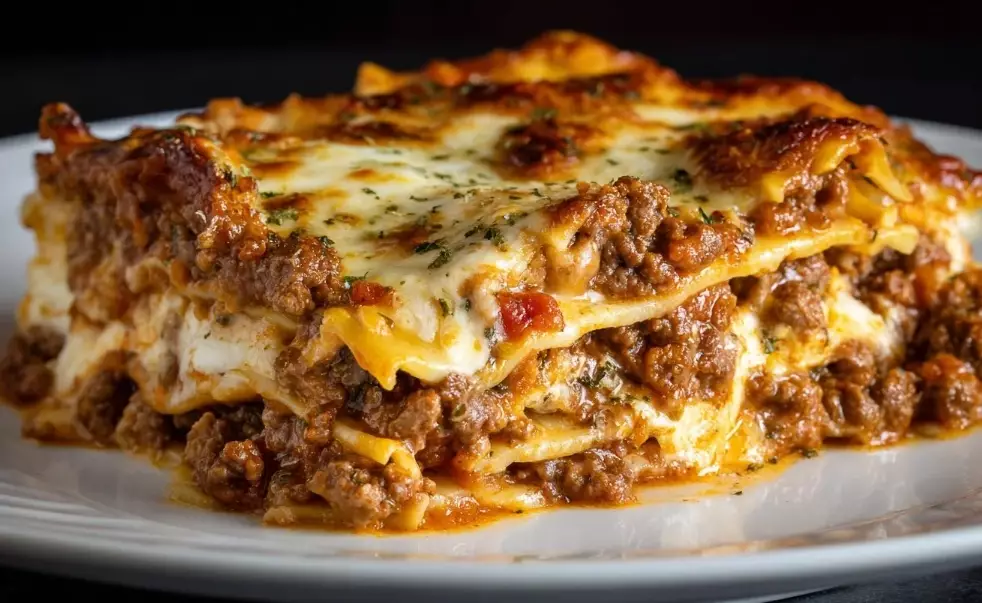
One thing I learned the hard way: fresh pasta sheets don't need to be boiled. Roll them thin (about 2mm), and they cook in the oven from the moisture of the sauces. Skip the boiling step and your lasagna keeps its shape.
How to Make Fresh Pasta Dough for Lasagna
My go-to ratio for a 9x13 inch tray is 300g of "00" flour and 3 whole eggs plus 1 yolk. That's it. Mix, knead for 8 minutes, wrap, and rest for 30 minutes. The dough should feel firm but pliable—like your earlobe, not your cheek.
Roll it to the second-thinnest setting on a pasta machine. If you don't have a machine, a rolling pin works fine. Aim for sheets thin enough to see your hand through. Cut them to fit your baking dish.
Building a Bolognese That Actually Tastes Like Something
This is where most people go wrong. They brown the meat and dump in tomatoes. That's not Bolognese. That's sad meat sauce.
Here's my formula: 400g ground beef (80/20), 150g ground pork, 1 small carrot, 1 celery stalk, 1 onion—all finely diced. Cook the vegetables in olive oil until soft, about 10 minutes. Add the meat and cook until it's browned and the liquid has evaporated. Then pour in 1 cup of whole milk and let it reduce completely. This is the secret. Milk tenderizes the meat and adds a subtle sweetness.
Next, 1 cup of dry white wine. Let it cook off. Then 400g of crushed San Marzano tomatoes. Simmer for at least 2 hours on low. Stir occasionally. The sauce should be thick and glossy, not watery. Season with salt and a pinch of nutmeg at the end.
The Bechamel Layer That Makes or Breaks It
Bechamel is just butter, flour, and milk. But if you rush it, you get lumps. Melt 60g of butter in a saucepan, whisk in 60g of flour, and cook for 2 minutes—don't let it brown. Pour in 600ml of warm whole milk in a steady stream, whisking constantly. Cook until it coats the back of a spoon. Season with salt, white pepper, and a grate of nutmeg.
That's your creamy layer. It should be thick enough to hold its shape when you spoon it onto the pasta.
Layering and Baking Without a Soggy Bottom
Here's the order I use, and it never fails:
- Thin layer of Bolognese on the bottom of the dish
- Fresh pasta sheets
- Bolognese
- Bechamel
- Parmigiano-Reggiano
- Repeat for 4 layers total
- Finish with pasta, bechamel, and a generous amount of Parmigiano
Bake at 180°C (350°F) for 35–40 minutes, until the top is golden and bubbling. Let it rest for 15 minutes before cutting. This step is non-negotiable. Cutting too early means the layers slide apart.
7 Mistakes I See Home Cooks Make
| Mistake | What Happens | Fix |
|---|---|---|
| Using watery sauce | Soggy lasagna | Simmer Bolognese until thick; reduce milk fully |
| Skipping the rest | Layers collapse | Wait 15 minutes after baking |
| Overcooking pasta sheets | Mushy texture | Don't boil fresh sheets; bake from raw |
| Under-salting the bechamel | Flat flavor | Salt bechamel like you would pasta water |
| Too much bechamel | Runny lasagna | Use a thin layer—about 2mm thick |
| Cheap cheese | Oily, greasy top | Use real Parmigiano-Reggiano, not pre-grated |
| Baking covered the whole time | Pale, soft top | Uncover for the last 10 minutes to brown |
The cheese mistake bites hardest. Pre-grated cheese contains anti-caking agents that prevent proper melting and browning. Buy a block and grate it yourself. The difference is night and day.
Real Questions from My Kitchen
This article was fact-checked against the Italy Magazine traditional lasagna guidelines and my own trial-and-error notes.
Comments
Share your experience