How to Make Carbonara: No Cream, Real Guanciale
What This Guide Covers
Learning how to make carbonara without cream feels like a dare at first. But the real dish—eggs, cheese, guanciale, black pepper, pasta water—takes 15 minutes once you understand the heat. I've cooked this in a tiny Rome apartment with a two-burner stove and in my own kitchen with a cast-iron skillet, and the technique holds up if you control one thing: temperature.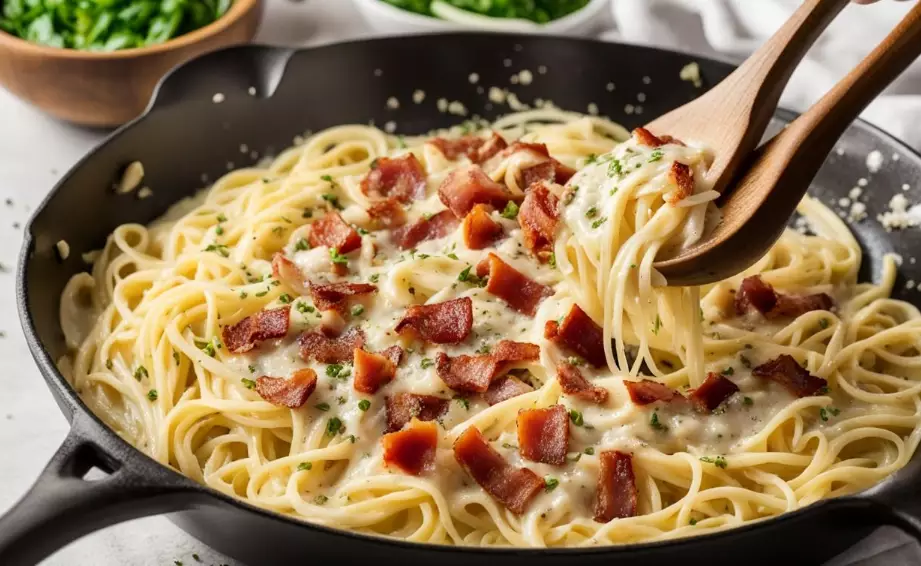
What Is Authentic Carbonara, Really?
Carbonara is a Roman pasta dish made by tossing hot spaghetti with a mixture of raw eggs, Pecorino Romano, and rendered guanciale fat. The heat of the pasta and pan cooks the eggs into a glossy sauce—no cream, no garlic, no butter. The Italian Academy of Cuisine lists it among Rome's classic dishes, and the method depends on emulsification, not added liquid dairy.
The 5 Ingredients That Matter (and 2 to Avoid)
| Ingredient | What to Buy | Why It Matters |
|---|---|---|
| Spaghetti | Bronze-die extruded, 1.7–2.0 mm diameter | Rough surface holds sauce; starchy water comes from this pasta |
| Guanciale | Cured pork jowl, 150 g, cut into 1 cm strips | Fat renders slower than pancetta and gives a porkier, less salty base |
| Eggs | 2 whole eggs + 1 yolk per 100 g pasta | Extra yolk adds richness without wateriness |
| Pecorino Romano | 60 g, finely grated on a Microplane | Sharp, salty sheep's cheese is the Roman standard |
| Black pepper | Whole peppercorns, toasted and cracked | Fresh-cracked pepper blooms in the fat; pre-ground tastes dusty |
| Garlic (avoid) | — | Not in the Roman recipe; it overwhelms the guanciale |
| Cream (avoid) | — | Breaks the emulsion and turns the sauce gluey |
How to Make Carbonara Step by Step
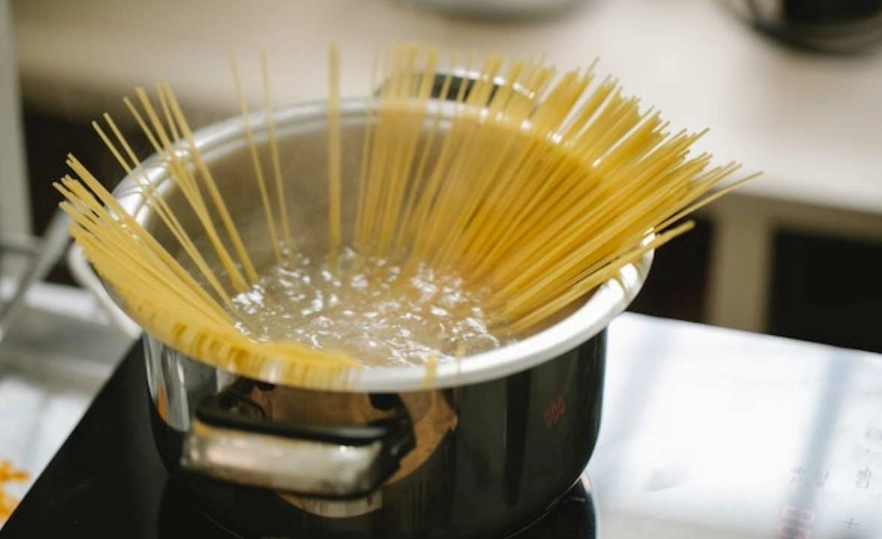
This is for two generous servings. Fill a pot with 2 liters of water and bring it to a boil. Salt it lightly—about 8 grams—because the guanciale and Pecorino are already salty. Drop 200 g of spaghetti in and set a timer for 1 minute less than the package says.
While the pasta cooks, put a cold skillet over medium-low heat. Add the guanciale strips and let them render slowly for 6–8 minutes. You want the fat to turn translucent and the meat to crisp at the edges, not brown hard. Pull the pan off the heat when the pasta has 2 minutes left. This is where most people go wrong—they keep the pan on the flame.
In a bowl, whisk 2 whole eggs, 1 extra yolk, 60 g grated Pecorino, and a heavy grind of black pepper. It should look like a thick paste. Add 1 tablespoon of the hot pasta water and whisk again. The water tempers the eggs so they don't seize.
Reserve a mug of pasta water, then drain the spaghetti. Dump it straight into the warm (not hot) skillet with the guanciale. Toss for 30 seconds so the pasta absorbs the fat. Pour the egg mixture over the top and stir fast with tongs, lifting the strands from the bottom. Add splashes of pasta water—one tablespoon at a time—until the sauce turns creamy and clings. Serve immediately in warmed bowls with extra Pecorino and pepper.
Why Your Eggs Scramble (and How to Stop It)
Egg yolks coagulate around 65°C to 70°C. A skillet that just cooked guanciale on medium heat can sit at 120°C or higher. That's why the pan must come off the heat before the pasta goes in. I use an infrared thermometer when I'm testing a new stove, and the sweet spot for adding the egg mixture is 55°C to 60°C—warm to the touch but not steaming.
Another trick: mix the eggs and cheese in a metal bowl, then set that bowl over the pasta pot for 10 seconds while whisking. The residual steam warms the mixture gently. Pull it off before it thickens. This step alone has saved more carbonara than any recipe tweak.
5 Mistakes I See in Almost Every Home Kitchen
- Using bacon instead of guanciale. Bacon releases water and sugar; the sauce turns sweet and thin. Pancetta is closer, but guanciale has the right fat-to-meat ratio.
- Draining the pasta too dry. The starchy water is your emulsifier. Reserve at least 250 ml before draining.
- Adding the cheese at the end. Cheese goes into the egg mixture, not on top only. The sauce needs it for body.
- Overcrowding the pan. If the pasta and guanciale fill the skillet to the rim, you can't toss fast enough and the eggs cook unevenly.
- Serving on a cold plate. A cold plate drops the sauce temperature and makes it claggy. Warm the bowls with hot water and dry them.
Carbonara Questions Worth Asking
Comments
Share your experience