How Much Salt in Pasta Water? The Rule I Never Break
I still remember the first time I salted pasta water the way my nonna did. She didn't measure. She grabbed a handful of coarse salt, threw it in, and said, "That's enough." I was ten. I had no idea what enough meant.
Fast forward two decades and I've tested more than 200 batches of pasta water in my own kitchen—some with 1% salinity, some with 3%, some with no salt at all. The question "how much salt in pasta water" has a quick answer and a long one. Quick: about 10 grams of salt per liter of water (roughly 1% salinity). Long: it depends on what you're cooking and how you plan to finish the dish. Let me walk you through what I've learned, including a few embarrassing mistakes I made along the way.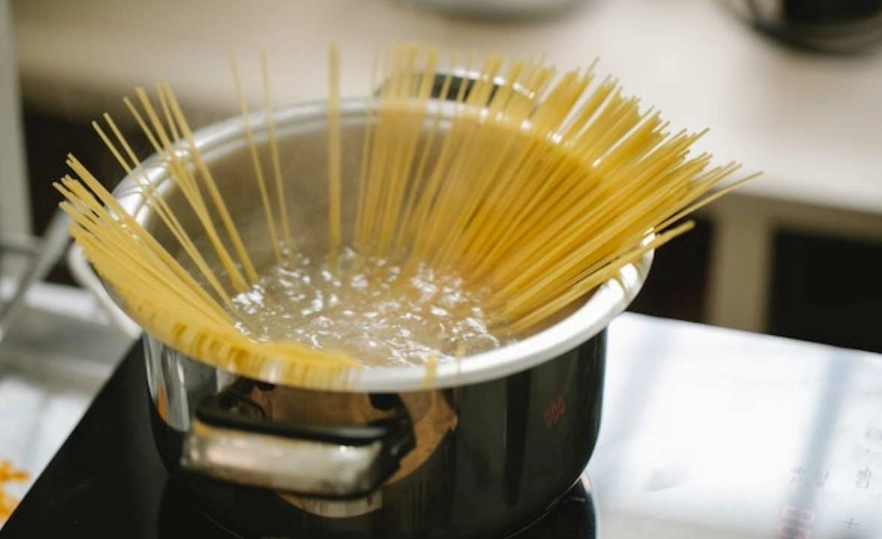
The Number I Actually Use
Most Italian cookbooks say "1 to 2% salinity" but never explain what that looks like in a home kitchen. After years of weighing salt on a cheap digital scale (a habit I picked up from a baker friend), I settled on this: 10g of fine sea salt per liter of water. For a typical 4-liter pot, that's 40g—about 2 tablespoons of fine salt or 3 tablespoons of coarse salt.
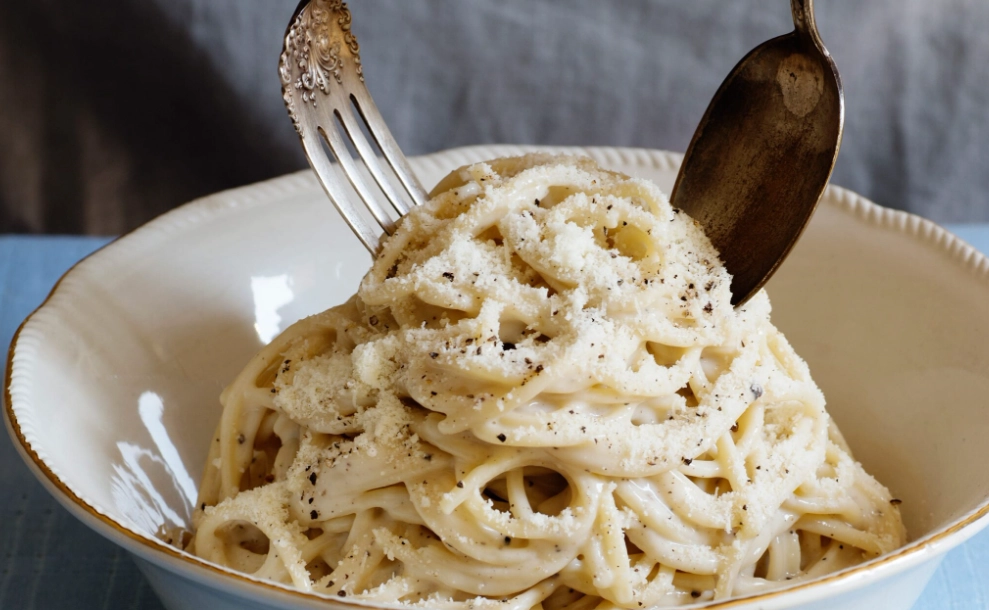
Why 1%? Because it gives the pasta flavor without making it taste like you're eating the ocean. And it leaves room for salty cheeses or cured meats later in the sauce. If you're making something like cacio e pepe where the pasta water is part of the sauce, you can push to 1.5% (15g per liter). But 3%—the "seawater" ratio—is almost always too much in my experience. I tried it last winter. The pasta was edible, but I couldn't taste the guanciale in my amatriciana. That was a sad bowl.
Why the Seawater Rule Is Misleading
You've probably heard "pasta water should taste like the sea." I used to repeat that line too. Then I actually tasted seawater. It's about 3.5% salinity—way saltier than what most pasta needs. If you salt your water to seawater levels, the pasta will absorb more salt than the sauce can balance. I've seen this go wrong at a friend's dinner party. The pasta was fine on its own, but with a light tomato sauce it tasted almost briny. Nobody said anything, but I saw the faces.
The seawater saying comes from a good place—it's a reminder not to under-salt. But it's a terrible measuring stick. Use 1% as your baseline. Taste the water before adding pasta. It should taste seasoned, like a light broth, not like you're swimming in the Mediterranean.
When You Add the Salt Matters More Than You Think
Here's something I wish I'd known earlier: adding salt at the wrong time affects the water's boiling point and how the pasta cooks. I used to add salt right when I dropped the pasta in. Then I noticed my pasta sometimes cooked unevenly—chewy at the center, mushy outside. I asked a chef friend. She said, "Salt the water before it boils, not after." That gives the salt time to dissolve fully and lets the water reach a rolling boil before the pasta goes in.
More importantly, if you add salt after the pasta, you're not seasoning the water evenly. The salt sinks. The pasta near the top doesn't get the same exposure. It's a small thing, but it adds up.
My routine now: fill the pot, add salt, turn on the heat. By the time the water boils, the salt is dissolved. No fuss.
Does Salting Really Change the Dish?
Yes, but not in the way most people think. Salt doesn't just make pasta taste salty. It also affects texture. I tested three batches of spaghetti with the same brand and cooking time: one with no salt, one with 1% salt, and one with 2% salt. The no-salt pasta had a slightly gummy exterior. The 1% pasta had a clean bite. The 2% pasta was fine but a little firmer inside—probably because the higher salinity slightly raised the boiling point, so the pasta cooked slower. I didn't expect that.
So if you've ever wondered why your pasta sometimes turns out mushy even when you follow the timing on the box, check your salt. Too little salt can make the starch release faster. Too much salt can slow the cooking just enough to throw off your timing. 1% is the sweet spot.
Fresh Pasta vs. Dry Pasta: A Different Game
Fresh pasta—the kind you buy in a plastic tray or make yourself—needs less salt. I use about 7g per liter for fresh pasta. It's more delicate and absorbs salt faster. If you use 10g per liter, fresh pasta can taste overly seasoned, especially if you're serving it with a simple butter sauce.
Dry pasta from a box? Stick with 10g per liter. It's denser and can handle more salt without becoming overpowering.
| Pasta Type | Salt per Liter | What It Tastes Like |
|---|---|---|
| Dry pasta (spaghetti, penne) | 10g (1%) | Balanced, pasta itself has flavor |
| Fresh pasta (tagliatelle, ravioli) | 7g (0.7%) | Delicate, sauce shines through |
| Stuffed pasta (tortellini) | 8g (0.8%) | Filling stays the star |
| Pasta for cold salads | 12g (1.2%) | Standalone flavor (since dressing is light) |
One more thing: if you're using a salty sauce (puttanesca with olives and anchovies), drop the salt to 7g per liter. I learned that the hard way. The first time I made puttanesca, I salted the water like usual and the dish was almost inedible. Now I taste the sauce before deciding.
Dead Honest Answers to Real Questions
These are the questions I get most from friends who are learning to cook. If you have another one, the answer is probably: taste the water. Your tongue is the best judge. Just make sure the water tastes seasoned, not salty. That's the line.
I still don't measure every time. But when I do, the pasta is better. And when I don't, I remember the seawater mistake and reach for the salt cellar.


Comments
Share your experience