1 Death Every 10 Minutes! Top 10 Fatal Diseases Rising in the West – No.1 Is Untreatable
Shocking truth alert! Some of the world’s scariest incurable diseases are more common than you think. Scroll down to see the top 10 and how to stay safe.
No. 10: Progeria
Progeria, also known as Hutchinson-Gilford Progeria Syndrome (HGPS), is a rare genetic disorder. Kids with this condition age 5 to 10 times faster than normal. Even though they’re still children, they look like elderly people due to rapid aging and suffer from age-related diseases. Sadly, very few progeria patients live past 13, with an average lifespan between 5 and 20 years. There’s currently no effective cure worldwide.
No. 9: Alzheimer’s Disease

Alzheimer’s Disease, commonly known as senile dementia, has multiple causes and is incurable once diagnosed. While it doesn’t directly affect lifespan, patients gradually lose the ability to take care of themselves and are prone to accidents. It’s not just a huge burden on families but also causes immense pain to the patients themselves. The best approach is early intervention and treatment to slow down symptoms and extend lifespan.
No. 8: AIDS
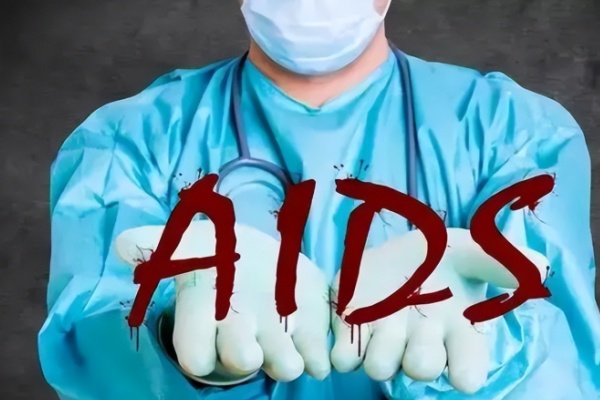
AIDS is a highly dangerous infectious disease with a long incubation period and vague early symptoms. Many people mistake it for other illnesses, missing the best treatment window. AIDS itself isn’t untreatable, but late detection makes it hard to control. The incubation period lasts about 8 to 10 years, during which patients may show no symptoms but are still contagious—many people get infected unknowingly. What makes AIDS terrifying is its high infectivity, and most patients eventually die from complications.
No. 7: Diabetes

Although diabetes itself isn’t life-threatening, it easily triggers various complications, and many patients die from them in the end. That’s why it’s called the "incurable cancer." There’s no permanent cure yet—only medication to control the condition. Diabetes severely harms multiple organs and systems, including the kidneys, cardiovascular system, and nervous system. Poor control can lead to serious issues like kidney failure and paralysis, and it also significantly increases the risk of heart disease and stroke. It’s the 7th leading cause of death globally.
No. 6: Uremia

Uremia is the end-stage of chronic kidney failure. For uremia patients, dialysis is the main treatment option. Over 70% of patients with early to mid-stage kidney failure and uremia will eventually need dialysis or a kidney transplant to survive within 5 to 10 years. However, the success rate of kidney transplant matching is low, and patients endure great pain during this period, leading to a high mortality rate for uremia.
No. 5: ALS (Lou Gehrig’s Disease)

Amyotrophic Lateral Sclerosis (ALS), also known as Motor Neuron Disease (MND), is rare and not well-known to most people. The famous scientist Stephen Hawking passed away from this disease—living to 76 with ALS was a medical miracle. Unfortunately, most patients aren’t that lucky: the average lifespan is only 3 to 5 years, with about 20% living more than 5 years and 10% more than 10 years. Even with advanced medical technology today, ALS is incurable. Current treatments can only slow down the progression and extend lifespan.
No. 4: Pancreatic Cancer

Pancreatic cancer is known as the "King of Cancers." Due to its hidden location in the body, early symptoms are subtle and hard to detect. Even if symptoms appear early, they’re often misdiagnosed during checks, and most patients are diagnosed at an advanced stage. Over 80% of patients are in the late stage when diagnosed. With rapid progression and short survival time, pancreatic cancer has an extremely high mortality rate—most patients die within months to two years after diagnosis.
No. 3: Advanced Cancer

People fear cancer because of its high mortality rate, especially advanced cancer. Cancer is the 2nd leading cause of death globally. No matter what type of cancer it is, the mortality rate is very high when it reaches the advanced stage. Early detection and treatment can significantly improve the survival rate and cure rate of cancer patients.
No. 2: Cardiovascular and Cerebrovascular Diseases

Cardiovascular and cerebrovascular diseases have become the number one killer threatening human health—over 17 million people die from them worldwide every year. Most patients can control the condition with medication in the early stage, but long-term progression leads to other complications, and most patients eventually die from these complications.
No. 1: Rabies

Rabies is the only zoonotic disease with nearly 100% human mortality to date. Over 55,000 people die from it globally yearly, with India having the highest cases. The most effective prevention is the rabies vaccine—even non-bleeding bites/scratches from animals require prompt vaccination. Incubation varies: 5-10 years for those with strong immunity, 1-3 months for weaker ones. If scratched by pets (even without bleeding), don’t take risks—get vaccinated immediately.


Comments
Share your experience