Homemade Gnocchi Recipe: Light, Pillowy Every Time
Most homemade gnocchi fail before they hit the water. The dough feels fine on the board, then turns heavy in the pot. This homemade gnocchi recipe is built around the one variable that matters more than any other: the moisture inside your potatoes. Get that right, and the rest is simple.
What You'll Find Here
Why Your Gnocchi Turned Out Gummy
Here's the non-consensus thing I tell every student: the recipe is not the problem. The potato is. When I first started testing, I made the same dough with the same flour and the same egg and got wildly different results. The only thing that changed was the potato variety and how I cooked it.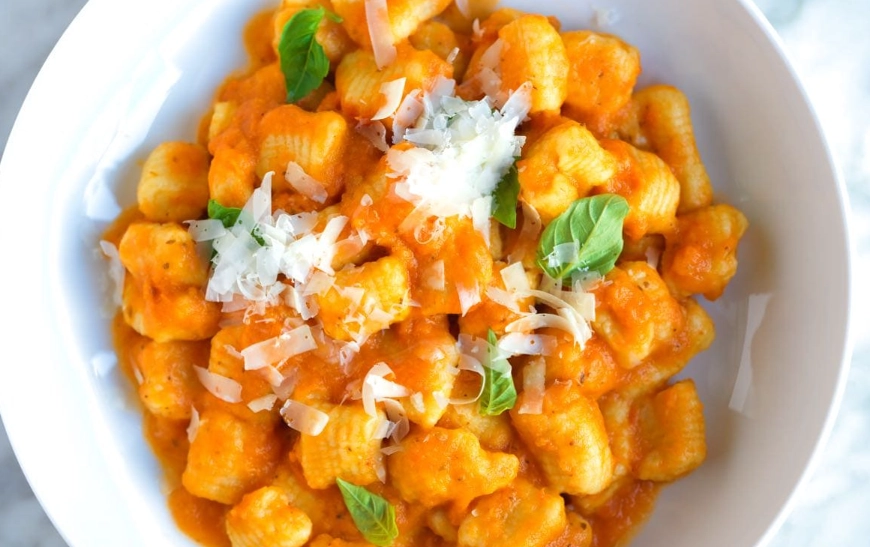
Russets are my go-to because they bake dry and fluff up. Waxy potatoes, the kind you'd use for potato salad, hold water. You can weigh the flour, rest the dough, baby the whole process, and still get chewy sinkers. It took me a ridiculous number of batches to accept that.
The Three-Ingredient Base (and What to Skip)
This recipe is intentionally short. Rich doughs hide texture problems, and gnocchi isn't a rich dough.
| Ingredient | Amount | Why It's Here |
|---|---|---|
| Russet potatoes, baked | 2 lbs (about 3 large) | Fluffy flesh, low moisture, mild flavor |
| All-purpose flour | 1 to 1½ cups, plus bench flour | Binds without a tough gluten sheet |
| Egg, lightly beaten | 1 large | Structure and richness; skip it and the dough cracks |
| Fine salt | 1½ tsp | Seasoning; add to the riced potato |
Skip olive oil in the dough. It coats the flour and you end up adding more flour to compensate. Skip potato starch unless you're doing a gluten-free version. And don't use bread flour; the protein makes the dumplings rubbery.
Step-by-Step: Making the Dough by Feel
1. Rice the potatoes while warm
Run the split potatoes through a ricer onto a sheet pan. Spread them out and let them cool 5 minutes. The steam carrying moisture is your enemy, and this step removes it.
2. Add egg and salt, then flour in stages
Dump the riced potato in a bowl, add the egg and salt, and fold with a fork. Sprinkle half the flour over the top, fold again. Sprinkle the rest, and switch to your hands when it starts coming together.
3. Stop kneading early
This is where I see people go wrong. The dough should feel soft, slightly tacky, and just shy of sticky. If you knead until it's smooth and elastic like pasta dough, you've overworked it. That's the gummy texture right there. Two or three folds, not two or three minutes.
4. Rest the dough briefly
Ten minutes on the bench, covered with a towel. Not an hour. Resting lets the flour hydrate, which prevents cracks when you roll.
Shaping, Boiling, and Pan-Finishing
Cut the dough into 4 pieces. Roll each into a rope about ¾ inch thick on a lightly floured board. Cut into 1-inch pieces. Dust with semolina flour to keep them from sticking.
Ridges are optional. A fork works, a gnocchi board is nicer, and honestly some of the best gnocchi I've had were smooth little nubs. If you use a board, flour it lightly or the dough will tear.
Boil in well-salted water. Drop them in, stir once, and wait. They're done about 30 seconds after they float. Pull them with a slotted spoon into a skillet with hot butter or olive oil, toss 60–90 seconds, and plate. That final pan toss is what gives the outside a little bite.
| Stage | Time | Visual Cue |
|---|---|---|
| Bake potatoes | 50–60 min | Knife slides in with zero resistance |
| Cool riced potato | 5 min | Steam stops rising aggressively |
| Rest dough | 10 min | Surface looks less dry at the edges |
| Boil gnocchi | 30 sec after floating | They bob at the surface in a cluster |
Expert Tips I Wish I'd Known Sooner
Weigh your riced potato and adjust flour by feel, not by the cup. Humidity changes everything. A rainy day can push you toward the top end of that flour range.
If you want to hold shaped gnocchi before cooking, freeze them on a sheet pan for 20 minutes, then bag them. Cook from frozen; don't thaw. They hold their shape better than fresh ones sitting in the fridge.
One more thing. Reheating leftover gnocchi in the microwave is a lost cause. Sear them in a hot pan with a splash of water and a lid on for 90 seconds. They come back surprisingly close to fresh.
Reader Questions
My gnocchi hold together but taste flat. What am I missing beyond salt?
Salt in the water is doing less than you think. Salt the potato itself after ricing, and taste the raw dough. It should taste mildly seasoned before cooking. Also, you're likely under-browning in the pan; the Maillard reaction on the surface carries a lot of the flavor. Toss in hot fat, not warm fat.
Can I make this homemade gnocchi recipe without eggs?
You can, but expect a more delicate dumpling that needs a gentler boil and more bench flour. I tested egg-free versions for a family member with an allergy. The dough cracks around the edges when rolled unless you rest it 15 minutes longer and use a slightly wetter potato mix. The egg-free version also doesn't brown as evenly in the pan.
Why did my gnocchi dissolve in the boiling water?
Two usual causes. Either the dough was too wet from boiled (not baked) potatoes, or you didn't stir the pot right after dropping them in. They sink and stick to the bottom, then break apart when they release. Stir once gently and keep the water at a bare simmer, not a rolling boil.
How do I keep shaped gnocchi from sticking together before cooking?
Semolina flour, not all-purpose, between the layers. All-purpose turns pasty when it sits. A light dusting of semolina on a sheet pan and 20 minutes in the fridge firms them up enough to bag without clumping.
This guide was tested and fact-checked against standard potato-starch behavior and typical home-kitchen conditions.
Comments
Share your experience