Italian Wedding Soup Recipe: Secrets to the Perfect Bowl
So you want to make Italian wedding soup that doesn't taste like a bland chicken noodle soup with green things floating in it. I get it. For years I chased that flavor—the one you find in a little trattoria in Campania or a Sunday supper in an Italian-American home. The kind where the broth has depth, the meatballs stay tender, and the greens don't turn to mush. After countless pots, I figured out the real problem: most recipes treat this soup as a list of ingredients added in sequence. It's not. It's a construction project. Get the broth and the meatballs right separately, then bring them together at the last minute.
This isn't a recipe where you toss everything in a pot and hope. That approach gives you gray meatballs and a thin broth. Instead, I'll walk you through the Italian wedding soup recipe the way a nonna would—with attention to timing, texture, and a few tricks that rarely get written down.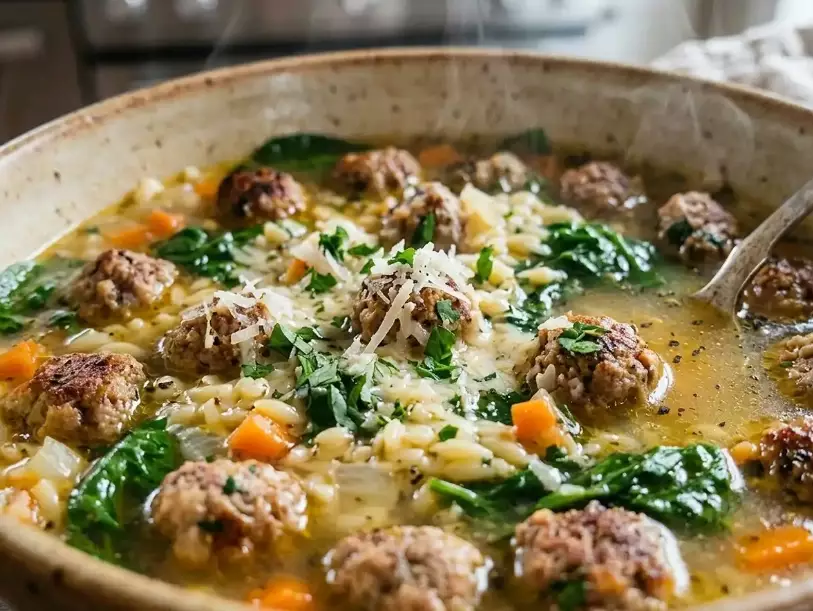
What's in This Guide
What Makes It "Wedding Soup" (It's Not What You Think)
First, a myth-buster: in Italy, this soup isn't called Italian wedding soup. That name is an Italian-American invention, a literal translation of minestra maritata, which means "married soup." The marriage isn't about weddings—it's about the harmonious pairing of greens and meat. The original is a Neapolitan dish where bitter greens and various meats (often pork and beef) are cooked together until they "marry" into a rich, savory whole.
The version most of us know—tiny meatballs, spinach or escarole, and pastina in chicken broth—is a streamlined American cousin. And that's fine. But knowing this helps you focus on the right flavor profile: savory, slightly bitter from greens, with a clean, meaty broth. Not a creamy soup. Not a tomato-based one. The broth should be clear but deeply flavored.
The Broth Backbone: Why Boxed Stock Fails
Here's my non-consensus take: the single biggest upgrade you can make is to ditch boxed chicken broth and build your own quick stock. You don't need a whole day. I use a 45-minute cheat stock that delivers more flavor than any carton.
Take 2 pounds of chicken wings (or backs and necks), a quartered onion, a carrot, a celery stalk, a few peppercorns, and a bay leaf. Cover with cold water, bring to a bare simmer, and skim the scum that rises. Let it bubble gently for 40 minutes, then strain. Season with salt only at the end. That's it. The wings give body and gelatin, which gives the broth a lip-smacking quality boxed stock never has.
I've tried the shortcut of adding chicken bouillon to water. Don't. It leaves a metallic aftertaste that no amount of parmesan can hide.
Meatball Texture: The Breadcrumb and Egg Ratio That Works
Small meatballs are tricky. Make them too lean, they're tough. Too much filler, they're mushy. I've landed on a ratio that stays tender even after simmering: for 1 pound of ground meat (I use a mix of 70/30 beef and pork), use 1/3 cup fine, dry breadcrumbs (not panko—they're too coarse), 1/4 cup grated Parmesan, 1 large egg, 1 minced garlic clove, and a generous pinch of salt and pepper.
Mix gently with your hands just until combined. Overmixing is the enemy here—it develops gluten and gives you bouncy, rubbery meatballs. Roll them small, about 3/4 inch. I keep a small bowl of water nearby to wet my palms; it keeps the meat from sticking to my fingers and gives the meatballs a smooth surface.
And here's a step most recipes skip: poach the meatballs directly in the simmering broth instead of browning them first. Browning adds flavor, but it also toughens the exterior and clouds the broth. Poaching keeps them tender and infuses the broth with meaty richness. Just drop them in raw, one by one, and let them cook for 8-10 minutes. They'll float when done.
Greens and Pasta: When to Add What
Escarole is the traditional green in the Neapolitan minestra maritata, but I know it's not always available. Spinach works, but it turns limp and loses its bite in seconds. If using spinach, add it in the last 60 seconds of cooking. If using escarole, add it with the pasta—it can handle a few minutes of simmering and keeps a pleasant chew.
For pasta, the tiny shapes are best: acini di pepe, orzo, or even broken spaghetti. But never cook the pasta in the soup pot from the start. Starch clouds the broth, and leftover pasta soaks up all the liquid in the fridge. Cook the pasta separately in salted water until just shy of al dente, then add it to the bowls when serving. Ladle the hot broth over the pasta at the table. This keeps the soup clear and the pasta perfectly cooked.
Step-by-Step: My Reliable Method
This sequence might look fussy, but it's the difference between good and memorable.
1. Build the quick stock (45 minutes). Strain and season lightly.
2. Form the meatballs (10 minutes). Keep them small and chilled until ready.
3. Bring the strained broth to a gentle simmer. Add the meatballs. Cook for 8 minutes.
4. Add a handful of chopped escarole (or wait for spinach). Simmer for 4 minutes.
5. Cook the pastina separately. Drain and divide among bowls.
6. Ladle soup over pasta. Pass extra Parmesan at the table.
I also add a small rind of Parmesan to the simmering broth—it adds a subtle umami that makes people ask what you did differently. Just remember to fish it out before serving.
One more trick: a tablespoon of tomato paste stirred into the broth at the start adds depth without turning it into tomato soup. It's an old restaurant trick I picked up in my early days working a line in Boston's North End. Just caramelize the paste for a minute before adding any liquid—if you add it directly to the broth, it tastes raw.
FAQs That Actually Help
This is one of those soups that rewards you for doing less, but doing it in the right order. The broth should taste like chicken, not salt. The meatballs should be soft. The greens should still have a little fight. Get those three things right, and you'll never go back to the dump-and-stir version again.

Comments
Share your experience