Breaking: The Top 10 Grossest Foods on Earth – Why Do People Actually Eat These?
Think you’ve tried weird food? Wait till you meet these 10 gross, scary global eats—prepare to gasp and keep scrolling to the end!
TOP 10. Casu Marzu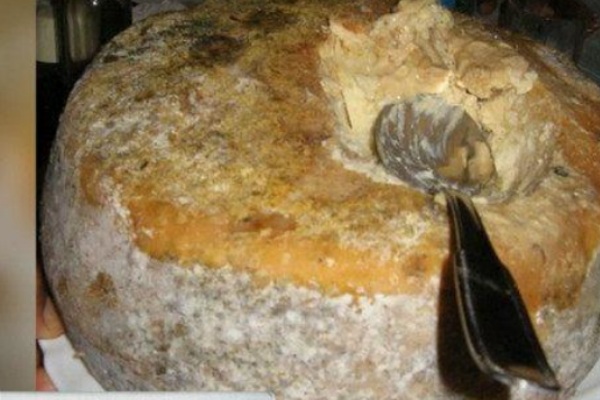
Hailing from the sun-drenched Italian island of Sardinia, this traditional delicacy literally translates to “rotten cheese” – and it more than lives up to that eyebrow-raising name. Also infamously known as “maggot cheese,” it’s famous for containing wriggling live fly larvae that thrive in the fermented curd. Most first-time diners nervously scoop out the live maggots before taking a bite, but seasoned local foodies intentionally keep them in to savor the full, unadulterated traditional experience.
TOP 9. Kiviak
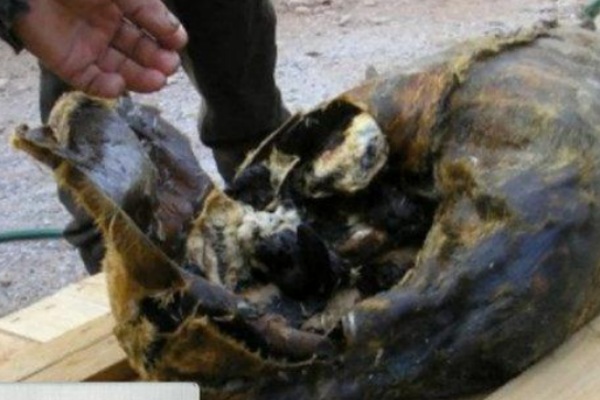
A iconic, time-honored dish of Greenland’s Indigenous Inuit people, Kiviak is crafted by carefully stuffing dozens of little auks (tiny seabirds) into the belly of a freshly killed seal. The seal’s cavity is then sewn shut and buried deep in the permafrost, where it’s left to slowly ferment for a full two to three years. In the harsh, freezing cold of Greenland’s remote landscapes, this unique fermentation method is one of the few reliable ways Inuits can get their daily dose of essential vitamins year-round.
TOP 8. Grilled Spiders
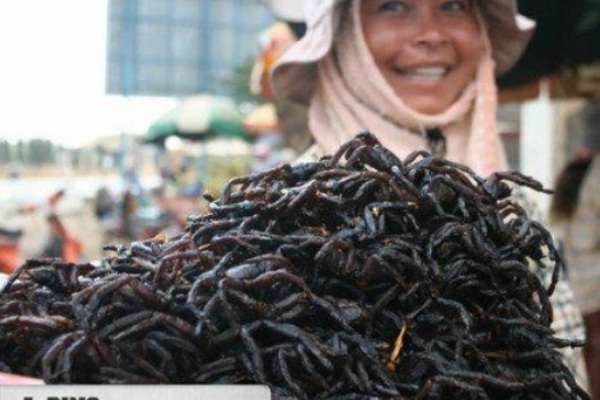
A beloved traditional snack in Cambodia, especially in local markets and street food stalls, grilled spiders are a total hit with locals who crave their savory, crunchy texture. But to most folks stateside, these weird-looking “alien-like creatures” with their long legs and bulbous bodies are enough to send shivers down the spine – let alone picking one up and taking a bite of it!
TOP 7. Live Octopus
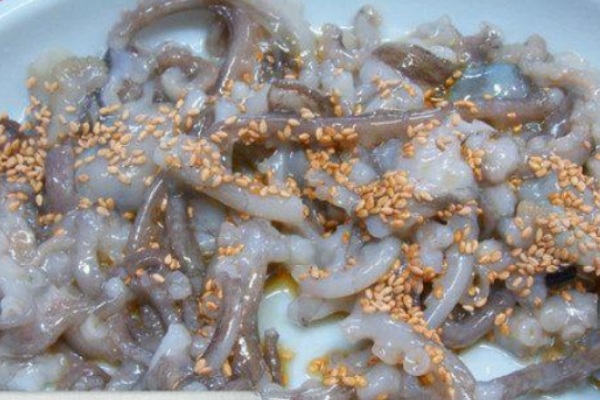
Octopuses are famously incredibly resilient creatures, and that’s never more apparent than when they’re served live. As you can see in the picture, even when chopped into small pieces, each squirming tentacle keeps wriggling nonstop, looking eerily creepy and almost alive. Koreans are particularly obsessed with eating live octopus, especially the thrill of swallowing whole, small specimens in one bite. Unfortunately, it’s not uncommon for people to be hospitalized after choking, as the octopus’s tiny suction cups can cling to and block their airways.
TOP 6. Japanese Tuna Eyeballs
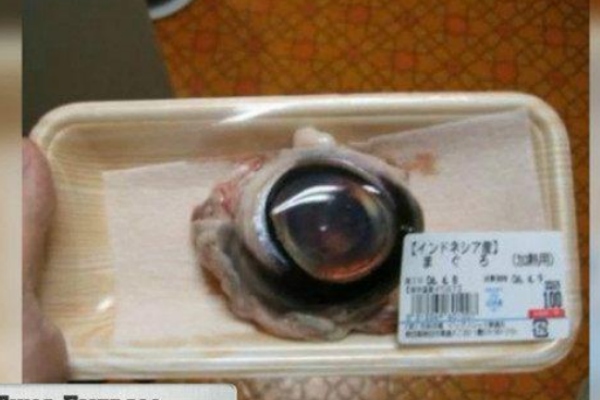
A large, bloody tuna eyeball sitting prominently on a supermarket shelf in Japan – that sounds completely unthinkable to most, right? But believe it or not, this unusual ingredient is a legitimate and even sought-after item that many Japanese people proudly serve at their dinner tables, often grilled or simmered in broth.
TOP 5. Ikizukuri
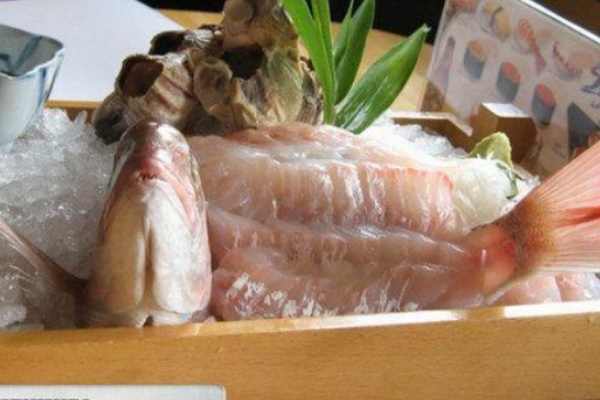
The fish in the picture looks fully cut up and ready to be eaten, but it’s actually still very much alive – you can clearly see its gills opening and closing nonstop as it gasps for air. To most Americans, this dish known as Ikizukuri is an extremely cruel and deeply terrifying sight. But for many Japanese chefs and diners, the absolute freshness of ingredients always comes first, making this controversial preparation method a sign of culinary dedication.
TOP 4. Escamole
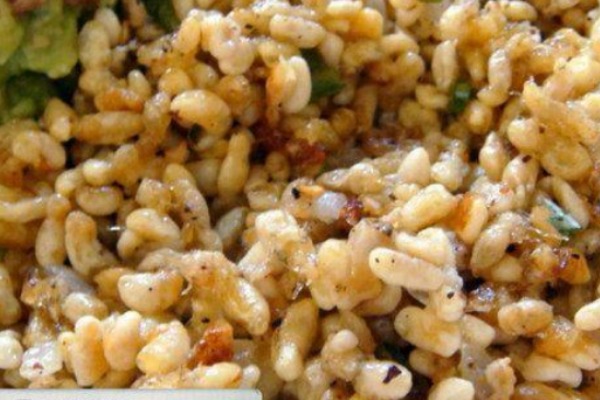
Essentially, Escamole is nothing more than a heaping pile of plump ant larvae, often served in tacos or on toast. Just one quick glance at this wriggling mass is enough to make people with trypophobia break out in goosebumps all over their body, let alone actually putting it in their mouth and eating it. I’m sure most people would never want to voluntarily eat a bunch of ants or their larvae – it’s a total nightmare scenario for anyone with a fear of bugs!
TOP 3. Durian
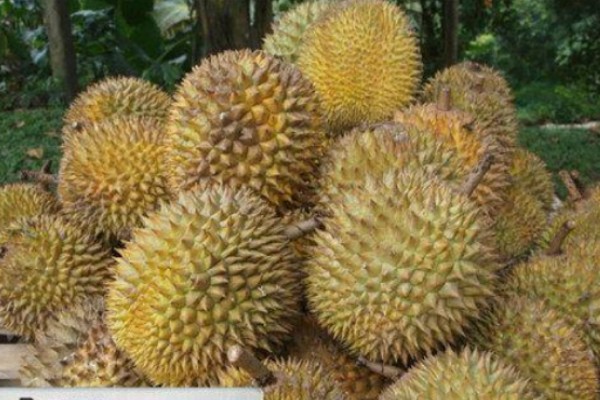
Durian is actually a fruit that’s mired in huge controversy across the globe. People who love it are absolutely crazy about its rich, creamy texture and sweet, complex flavor, while those who hate it can’t stand its pungent, often compared-to-rotting-garlic aroma. Overall, in Southeast Asian countries like Thailand and Malaysia, durian holds the supreme position in the fruit world – there’s almost no local who doesn’t have a soft spot for this divisive tropical treat.
TOP 2. Hákarl (Icelandic Fermented Shark)

A classic traditional Icelandic dish made exclusively from meaty Greenland sharks, Hákarl is a true test of culinary adventurousness. The sharks are first buried in the cold, rocky ground to ferment for months, then dug up, cut into thick, pale pieces, and hung to air-dry in the frigid Nordic winds. Icelanders will tell you that Hákarl smells strong and unpleasant but tastes surprisingly great, with a salty, umami kick. Many Icelanders who are miles away from home miss the wonderful, nostalgic taste of Hákarl more than almost any other traditional food.
TOP 1. Haggis
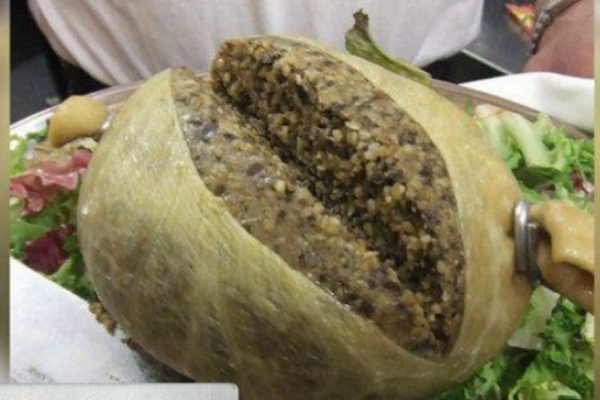
Scotland’s proud “national dish,” Haggis is made by mincing up sheep’s offal – including organs like the heart, liver, and lungs – and mixing it with diced onions, oats, and a blend of traditional seasonings. This mixture is then carefully stuffed into a cleaned sheep’s stomach, which acts as a natural casing, before being boiled slowly until fully cooked. Its appearance is already quite unappetizing to the uninitiated – it looks distinctly like the contents of a sheep’s stomach. One bite typically leaves your lips coated in a thick layer of rich sheep fat that’s surprisingly hard to wash off, even with water.


Comments
Share your experience