Easy Pasta Recipes: 15-Minute Dinners That Actually Taste Good
What I'd read first if I were you
I have burned garlic, overcooked rigatoni, and served pasta with watery sauce more times than I care to admit. What changed my weeknight cooking was not some secret ingredient. It was realizing that easy pasta recipes are less about the list of ingredients and more about timing and salt. Once I fixed those, dinner went from 40 minutes of low-level panic to a 15-minute routine.
So here is the honest version. Not a glossy list of 30 recipes. Just the ones I keep making, the small details that matter, and the mistakes I see people repeat.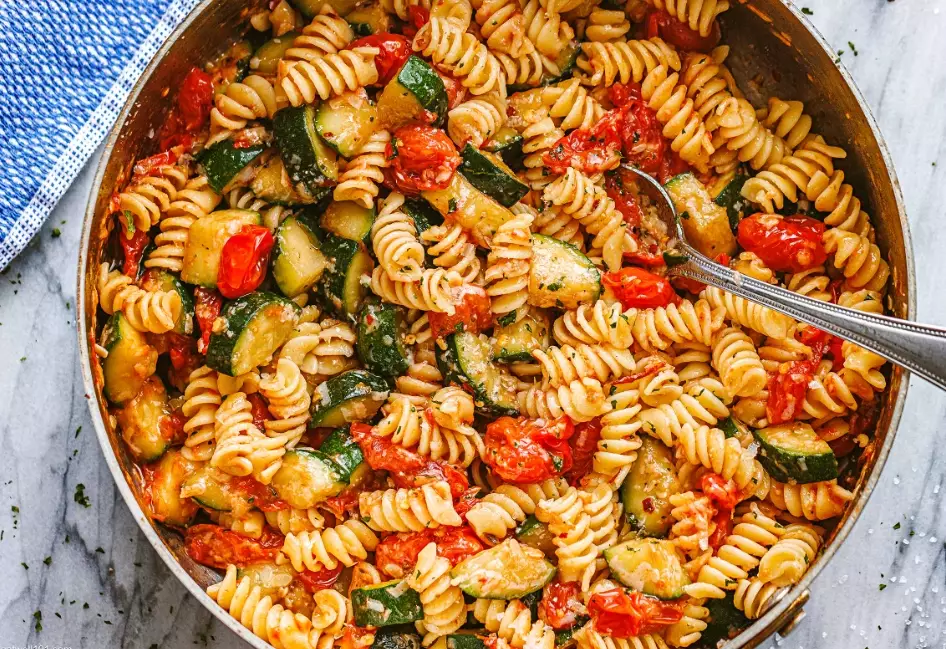
The 3 rules I follow for any easy pasta recipe
Before the recipes, these three things do most of the work.
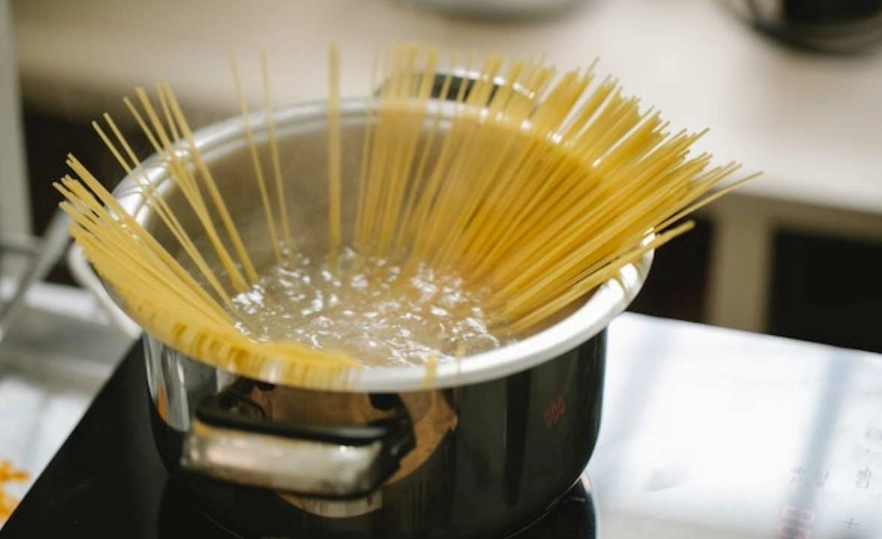
Salt the water like you mean it. I use about 10 grams of kosher salt per liter of water. Under-salted water is the number one reason home pasta tastes bland even when the sauce is fine. The pasta absorbs salt; the sauce cannot fix that later.
Save a mug of pasta water before draining. This is not optional. Starchy water is what turns oil, cheese, and butter into a sauce that clings. I keep a mug next to the pot and never drain pasta without it.
Finish the pasta in the pan, not the pot. The last 60 seconds should happen over heat with the sauce. That is when everything comes together.
A detail I only learned from doing it wrong: garlic burns in about 30 seconds once the oil shimmers. If the garlic turns brown, start over. The bitter taste will ruin the whole dish and no amount of cheese hides it.
Top 7 easy pasta recipes I actually cook on repeat
These are all weeknight tested. I have made each of them at least a dozen times.
1. Aglio e olio (garlic and oil)
Boil spaghetti. While it cooks, slice 6 garlic cloves thin and cook them in 4 tablespoons olive oil over medium-low heat until pale gold. Add a pinch of chili flakes. Add the drained pasta and a splash of pasta water, toss hard, then finish with parsley and a small handful of grated Parmesan. Total time: 12 minutes. The trap here is rushing the garlic. Let it go slow.
2. Cacio e pepe
This one has a reputation for being fussy, but the actual method is simple if you keep the heat low. Cook tonnarelli or spaghetti. In a bowl, mix 80 grams grated Pecorino Romano with a generous amount of cracked black pepper and a splash of cooled pasta water into a paste. Toss the pasta with the paste off the heat. If it seizes, add pasta water one spoon at a time. Do not put the cheese mixture on direct heat. Ever.
3. Lemon butter shrimp pasta
Linguine, 250 grams shrimp, 3 tablespoons butter, zest of one lemon, juice of half. Sauté shrimp in butter for 90 seconds per side, remove, then build the sauce with lemon and pasta water. Return shrimp, add pasta, toss. This one is on the table in under 15 minutes and tastes like a restaurant plate. I buy frozen shrimp and thaw them in cold water for 10 minutes before cooking.
4. Tomato and ricotta rigatoni
Rigatoni, a can of crushed tomatoes, 2 garlic cloves, olive oil, and a big spoon of ricotta stirred in at the end. The ricotta makes the sauce creamy without cream. Add torn basil if you have it. I use canned San Marzano tomatoes when they are on sale and the difference is noticeable.
5. Tuna and olive penne
This is the pantry recipe I fall back on when the fridge is empty. Penne, one can of oil-packed tuna (drained), a handful of black olives, a pinch of red pepper flakes, and lemon zest. The tuna goes in at the very end so it stays in chunks. Use oil-packed, not water-packed. Water-packed tuna turns dry and flaky in a bad way.
6. Brown butter and sage ravioli
Store-bought ravioli is fine. Brown 4 tablespoons of butter with 10 sage leaves until the butter smells nutty and the sage is crisp. Toss with cooked ravioli and a splash of pasta water. Grated Parmigiano on top. This takes 10 minutes and feels like a Sunday dinner. I keep a small bunch of sage in the fridge for this exact reason.
7. Peanut sesame noodles
Cook spaghetti. Whisk 3 tablespoons peanut butter, 2 tablespoons soy sauce, 1 tablespoon rice vinegar, 1 teaspoon sesame oil, and a grated garlic clove with hot pasta water until smooth. Toss with pasta, top with sliced scallions and crushed peanuts. This is the one my kids ask for most. The sauce thickens as it sits, so loosen it with water before serving.
My honest take: I do not love recipes that require 14 ingredients for a weeknight. If a pasta dish has more than 8 components, it usually belongs on a weekend. The seven above are all under 8.
What usually goes wrong when pasta tastes flat
People ask me why their pasta never tastes like the version at a restaurant. Usually it comes down to a few fixable things.
- Draining too early. Pasta should be one minute shy of al dente before it hits the sauce. It finishes cooking in the pan and absorbs flavor while it does.
- Skipping pasta water. Without it, the sauce slides off. This is the single most common issue I see.
- Using low-fat cheese. Parmesan and Pecorino need their fat to melt properly. Pre-grated cheese also has anti-caking agents that make sauces grainy.
- Cooking sauce too long before pasta is ready. Sauce sits, reduces too much, and gets thick. Start the sauce when you drop the pasta, not before.
- Not tasting the water. I taste the pasta water once before adding pasta. If it tastes like nothing, the final dish will too.
One more thing: a lot of recipes say "season to taste" at the end. That is too late for pasta. Season the water, season the sauce while it cooks, and adjust at the very end only if needed.
How to time pasta and sauce so nothing sits cold
Here is the timing I use, based on a standard 10-minute pasta cook.
| Step | What I do | Why it matters |
|---|---|---|
| Minute 0 | Put salted water on high heat | Water takes 5-7 minutes to boil; prep happens in between |
| Minute 3 | Chop garlic, grate cheese, measure out ingredients | Everything is ready before the pasta drops |
| Minute 6 | Start sauce on medium heat | Sauce and pasta finish at roughly the same time |
| Minute 7 | Add pasta to boiling water | Pasta needs 8-10 minutes depending on shape |
| Minute 15 | Reserve pasta water, drain, finish in pan | The final toss takes 60 seconds and everything is hot |
If your sauce is done before the pasta, turn the heat off and cover it. Reheat with a splash of pasta water when the pasta is ready. Do not leave it boiling, or it will reduce and get salty.
Quick answers to real pasta questions
Why does my garlic and oil pasta taste bitter?
The garlic almost certainly browned past golden. Garlic goes from raw to burnt fast, especially if the oil is too hot. Use medium-low heat, slice the garlic thin, and pull the pan off the heat the moment it turns pale gold. The residual heat keeps cooking it.
Can I make easy pasta recipes without cheese?
Yes, and the trick is to replace the fat and salt that cheese would bring. A spoon of butter, a drizzle of good olive oil, and a pinch of flaky salt at the end does the job. For tomato-based sauces, a small amount of anchovy paste adds depth without tasting fishy.
How do I keep pasta from sticking together?
Stir it in the first 30 seconds of cooking and use enough water. A common mistake is adding oil to the water. That coats the pasta and makes sauce slide off later. Skip the oil and stir instead.
What is the best pasta shape for a quick sauce?
Short, ridged shapes like rigatoni and penne hold chunky sauces better than long noodles. For thin oil-based sauces, spaghetti or linguine work well because the sauce coats the strands. If I am short on time, I reach for penne because it cooks in 9 minutes and traps sauce in the ridges.
Can I prep these pasta recipes ahead of time?
The sauces can be made two days ahead and kept in the fridge. Cook the pasta fresh though. Reheated pasta loses its texture fast. If I am prepping, I chop garlic and grate cheese in advance and store them in small containers. That cuts the actual cook time in half.
I have tested these recipes in my own kitchen, adjusted the timing, and noted where they fail. The methods are based on standard pasta cooking guidance from sources like the Serious Eats food lab and the Epicurious test kitchen. This article was fact-checked for cooking times, ingredient amounts, and technique accuracy.

Comments
Share your experience