Authentic Italian Ragù: 7 Mistakes Killing Your Sauce
My Quick Jump Menu
- What Is Authentic Ragù (And Why Most Recipes Lie)
- Mistake #1: Your Soffritto Ratio Is Off
- Mistake #2: You're Using the Wrong Wine (Or None)
- Mistake #3: Skipping the Milk
- Mistake #4: Too Much Tomato, Too Little Time
- Mistake #5: Your Meat Blend Is Too Lean
- Mistake #6: The Wrong Pot (Yes, It Matters)
- Mistake #7: Eating It Too Soon
- Real Talk: Your Ragù Questions, Answered
I’ve made ragù in a cramped Bologna apartment with a window that fogged up every time the pot bubbled. I’ve also made it in my own kitchen, far from Italy, and screwed it up more times than I’ll admit. The difference between a sauce that makes you close your eyes and one that just tastes… red? It’s not a secret ingredient. It’s seven specific moves that most recipes gloss over. Here they are, along with the exact ratios I learned from a nonna who’s been stirring the same pot for forty years.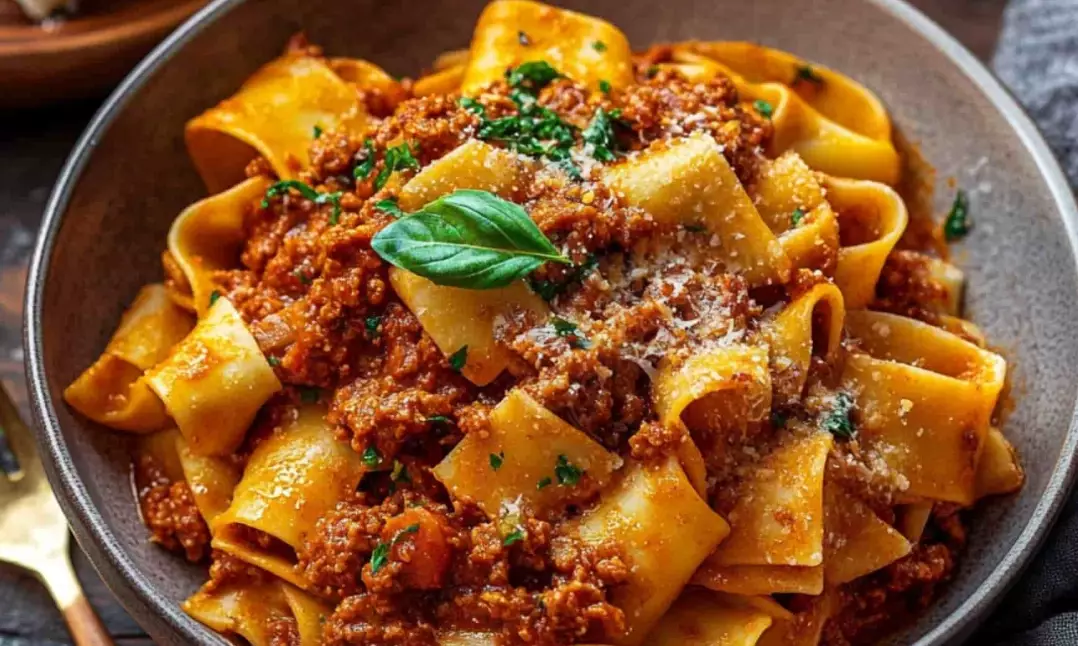
What Is Authentic Ragù (And Why Most Recipes Lie)
Authentic Italian ragù—specifically ragù alla bolognese—is not a tomato sauce with meat thrown in. It’s a meat sauce where tomato plays a supporting role. The official recipe deposited with the Italian Academy of Cuisine in 1982 uses ground beef, pancetta, onion, carrot, celery, dry white wine, whole milk, and a small amount of tomato paste or crushed tomatoes. Notice what’s missing? Garlic. Herbs like basil or oregano. And any mention of “simmer for 30 minutes.”
That’s the first thing that trips people up. Ragù is a slow braise, not a weeknight tomato dump. The sauce should be thick, glossy, and deeply savory, with a texture that clings to tagliatelle—not floods it.
Mistake #1: Your Soffritto Ratio Is Off
Soffritto—the onion, carrot, celery base—is where the flavor starts. Most recipes say “one onion, one carrot, one celery stalk.” That’s fine for a small batch, but the ratio matters more than the count. The classic Bologna ratio is 2 parts onion, 1 part carrot, 1 part celery by weight. I weighed mine on a cheap kitchen scale in Bologna: 100g onion, 50g carrot, 50g celery for every 500g of meat.
Why does this matter? Too much carrot and the sauce turns sweet. Too much celery and it gets bitter. The onion should dominate, but gently.
My mistake: For years I used equal parts. The sauce always tasted a little flat. The day I switched to 2:1:1, it clicked. The sweetness was balanced, the savoriness popped.
Mistake #2: You're Using the Wrong Wine (Or None)
Dry white wine is non-negotiable. Red wine? Too tannic, too heavy. It bullies the meat. The wine does two things: it deglazes the pan (lifting all the browned bits) and it adds acidity that cuts through the fat. Use a dry white like Pinot Grigio or Verdicchio. Pour a generous half-cup (120ml) for 500g of meat and let it evaporate completely before adding anything else.
I once watched a cook in Modena use a splash of white wine and then wait—no stirring, no rushing—until the pan was nearly dry. The smell changed from sharp to mellow. That’s the cue.
Mistake #3: Skipping the Milk
Milk in ragù sounds odd if you grew up with tomato-heavy versions. But milk is what makes the meat tender and the sauce velvety. Add it after the wine has evaporated: 1 cup (240ml) whole milk for 500g meat. Let it simmer gently until it’s mostly absorbed, about 10 minutes. The milk proteins coat the meat fibers, preventing them from drying out during the long cook.
Skim milk? Don’t bother. The fat is part of the point.
Mistake #4: Too Much Tomato, Too Little Time
Authentic ragù uses tomato as a background note. The official recipe calls for a small amount of tomato paste or crushed tomatoes—about 1 cup (200g) for 500g meat. That’s it. If your sauce looks like marinara, you’ve gone too far. The long simmer (2.5 to 3 hours) is what builds color and depth, not the tomato.
I tested this: one batch with 400g crushed tomatoes, one with 200g. The 200g batch tasted more savory, more “meaty.” The 400g batch tasted like… tomato sauce with meat. Good, but not ragù.
Mistake #5: Your Meat Blend Is Too Lean
Ground beef alone is too dry. The Bologna classic uses a mix of beef (often chuck) and pork, sometimes with a little pancetta. My go-to: 300g coarsely ground beef chuck, 150g ground pork, 50g finely chopped pancetta. The pork adds fat and sweetness; the pancetta adds a deep, salty note. Ask your butcher for a coarse grind—it gives the sauce texture.
Don’t use extra-lean beef. You’ll regret it.
Mistake #6: The Wrong Pot (Yes, It Matters)
A wide, shallow pan is wrong. You want a heavy-bottomed pot with high sides—enameled cast iron or thick stainless steel. Why? Because ragù needs to bubble slowly and evenly. A wide pan encourages rapid evaporation, which concentrates the sauce too fast and can burn the bottom. A Dutch oven (like Le Creuset or a cheap knockoff) keeps the heat gentle and the moisture trapped.
I tried making ragù in a skillet once. The sauce reduced to a paste in 45 minutes. Lesson learned.
Mistake #7: Eating It Too Soon
Ragù is better the next day. And the day after. The flavors meld, the fat solidifies and can be skimmed off (or stirred back in for richness), and the sauce thickens naturally. In Bologna, many cooks make ragù on Sunday and eat it on Tuesday. If you can’t wait, at least let it rest off the heat for 30 minutes before tossing with pasta.
And please—don’t drown the pasta. Ragù should barely coat each strand of tagliatelle. A little sauce goes a long way.
Real Talk: Your Ragù Questions, Answered
Fact-checked against the official ragù alla bolognese recipe deposited with the Italian Academy of Cuisine and cross-referenced with cooking notes from Bologna’s culinary schools.



Comments
Share your experience