Italian Tomato Sauce Recipe: Slow-Simmered Secrets for Perfect Flavor
What's Inside (Tap to Jump)
I used to think making a great Italian tomato sauce recipe was about buying the fanciest canned tomatoes. Then I spent a week cooking alongside a nonna in a small kitchen outside Bologna. She laughed at my can. “The can is important,” she said, “but the pot and the patience? Those matter more.” That trip changed how I cook sauce forever.
This Italian tomato sauce recipe is the result of that lesson—and a decade of tweaking. It’s not the fastest recipe on the internet. But it delivers a deep, sweet, garlicky sauce that clings to pasta without being heavy. I’m sharing the exact steps, the one odd ingredient that surprises people, and the mistakes I see home cooks make over and over.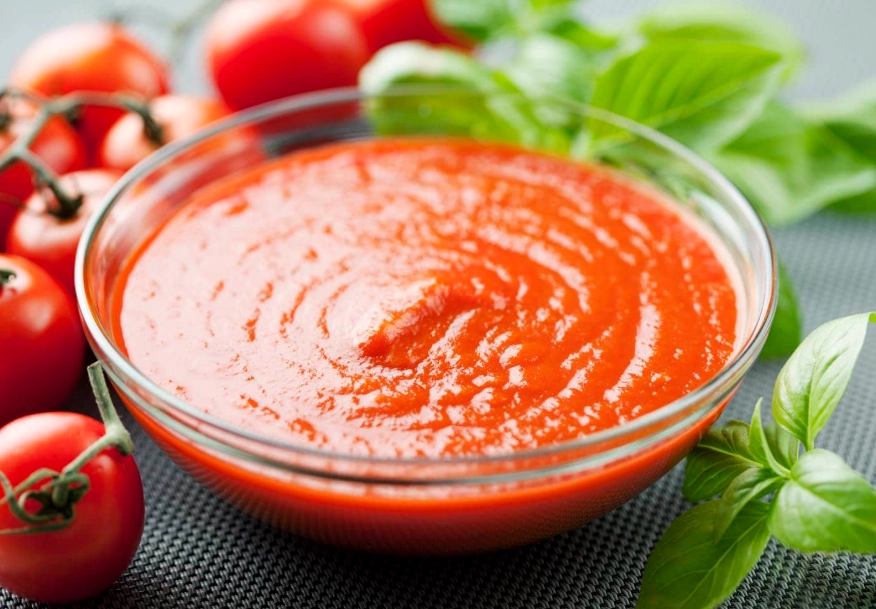
Why This Italian Tomato Sauce Recipe Works
Most tomato sauce recipes are basically the same: onions, garlic, canned tomatoes, herbs, simmer. The difference between mediocre and memorable comes down to two things—the quality of the tomatoes and the length of the simmer. I’m not talking about hours. I’m talking about a specific 45-minute window where the sauce transforms.
Another key: I don’t add sugar. Never have. If your sauce tastes acidic, the fix is longer cooking, not sugar. That’s a tip I picked up from a chef in Puglia who runs a tiny trattoria with only six tables. He told me, “Sugar is for people who are in a hurry. We are not in a hurry.”
The Ingredients That Actually Matter
You don’t need a long list. But the short list needs to be right.
| Ingredient | What to Look For | Why It Matters |
|---|---|---|
| Canned whole peeled tomatoes (San Marzano style) | Look for “Pomodoro S. Marzano” on the label, no added calcium chloride | Calcium chloride keeps tomatoes firm—great for salads, terrible for sauce. It prevents the tomatoes from breaking down. |
| Yellow onion (medium) | Firm, no soft spots, papery skin | Sweetness without sharpness. White onions are too aggressive here. |
| Garlic (3 cloves) | Slightly green sprout removed | The sprout is bitter. It’s a tiny step most people skip. |
| Good olive oil (extra virgin) | Peppery finish, dark bottle | You’ll taste it. Don’t use the cheap stuff you bought for roasting. |
| Fresh basil (a small handful) | Leaves bright green, stems removed | Add at the end. Cooking basil long kills its aroma. |
| Unsalted butter (1 tablespoon) | European style if possible | My nonna friend’s trick—it rounds out the acidity. You won’t taste “butter,” just depth. |
One more thing: salt. Add it in layers. A pinch when you sweat the onions, a pinch when you add tomatoes, and a final taste at the end. If you dump it all in at once, you’ll overshoot.
My Step-by-Step Method (With Real Timings)
Total time: about 1 hour (15 minutes hands-on).
Makes: enough for 500g (1 lb) of pasta—feeds 3 to 4 people generously.
Step 1 — Prep your tomatoes (5 minutes). Open the can and pour the tomatoes into a bowl. Use your hands to crush them. Yes, your hands. A blender makes the sauce foamy. A food mill is fine but a bowl and clean hands work just fine. Save the juice.
Step 2 — Sweat the onions (10 minutes). Heat 3 tablespoons olive oil in a heavy pot (enameled cast iron or thick stainless steel) over medium-low. Add the diced onion and a pinch of salt. Cook until soft and translucent—not brown. If they brown, your heat is too high.
Step 3 — Add garlic (1 minute). Mince the garlic and add it. Stir constantly. You want it fragrant, not toasted. This is where many people ruin the sauce—burnt garlic turns bitter and there’s no fixing it.
Step 4 — Tomatoes and simmer (45 minutes). Add the crushed tomatoes and their juice. Stir. Bring to a gentle bubble, then reduce heat to low. You want a lazy simmer—small bubbles breaking the surface every few seconds. Cook uncovered for 45 minutes. Stir every 10 minutes or so.
Step 5 — Finish (2 minutes). Turn off the heat. Add the butter and tear in the fresh basil. Stir once. Taste. Add salt if needed. Let it sit for 5 minutes before tossing with pasta.
The Simmer Secret Most Recipes Hide
Here’s the part that bugs me about most recipes. They say “simmer for 20 minutes” or “simmer for 2 hours.” Both are wrong for different reasons. Twenty minutes gives you a sauce that tastes like hot tomatoes. Two hours gives you a sauce that tastes like tomato paste—all depth, no brightness.
My sweet spot is 45 minutes at a very low simmer. That’s enough time for the tomatoes to break down and the flavors to marry, but not so long that you lose that fresh tomato zing. I’ve tested this side by side. The 45-minute sauce wins every time.
One more thing: don’t cover the pot. You want evaporation. That’s how the sauce thickens naturally. If you cover it, you’ll end up with tomato soup.
How to Fix a Sauce That Tastes Flat
It happens. You taste the sauce and it’s just… meh. Before you add anything, ask yourself: did I salt it enough? Under-salting is the number one cause of flat sauce. Add a small pinch, stir, taste again. Wait 30 seconds between tastes.
If salt doesn’t fix it, the sauce might need acid. A tiny squeeze of lemon (just a few drops) can wake it up. Don’t use vinegar—too sharp. And if the sauce tastes bitter? You probably burnt the garlic. There’s no rescue for that. Start over. Sorry.
My honest take: I’ve tried adding carrot, celery, or a parmesan rind to “fix” a sauce. None of them work as well as just cooking it longer or salting it properly. Keep it simple.
Storage, Reheating, and Flavor Changes
This sauce tastes even better the next day. Seriously. Cool it completely, then store in a sealed container in the fridge for up to 5 days. It freezes well too—up to 3 months. I freeze it in 2-cup portions so I can pull out exactly what I need.
When reheating, do it gently on the stovetop. A microwave works but it can make the sauce taste slightly metallic. Low heat, a splash of water if it’s too thick, and stir. That’s it.
Real Questions from My Kitchen to Yours
My sauce turned out watery even after 45 minutes. What went wrong?
You probably covered the pot or used tomatoes with added water. Check the can—some brands add water or juice. Also, make sure you’re using whole peeled tomatoes, not diced. Diced tomatoes are treated with calcium chloride, which stops them from breaking down. If you’re stuck with watery sauce, simmer it uncovered for another 15 minutes. It’ll thicken.
Can I use fresh tomatoes instead of canned for this Italian tomato sauce recipe?
You can, but you’ll need a lot more than you think—about 2 kg (4 lbs) of ripe plum tomatoes to get the same intensity as one 800g can. Fresh tomatoes also have more water, so you’ll need to simmer longer (closer to 90 minutes). The flavor is brighter but less concentrated. I save fresh tomatoes for summer and use canned the rest of the year.
Why do you add butter at the end? Isn’t that untraditional?
It’s less traditional than olive oil only, I’ll give you that. But a small amount of butter at the end is a trick I learned from a chef in Emilia-Romagna. It doesn’t make the sauce taste buttery—it just softens the edges. If you’re avoiding dairy, skip it. The sauce is still good without it, just a little sharper.
How do I make this sauce taste more “restaurant-style”?
Restaurant sauces often taste richer because they use more fat and salt than home cooks are comfortable with. Don’t be shy with the olive oil—3 tablespoons is a minimum, not a maximum. And finish the pasta in the sauce with a splash of pasta water. That starchy water binds the sauce to the pasta in a way that plain sauce never will.
I still make this sauce at least twice a month. It’s the one recipe I’ve never gotten bored of. The butter trick, the 45-minute simmer, the hand-crushed tomatoes—those are the details that matter. Everything else is flexible. That’s the beauty of a real Italian tomato sauce recipe. It’s forgiving, but it rewards attention.



Comments
Share your experience